
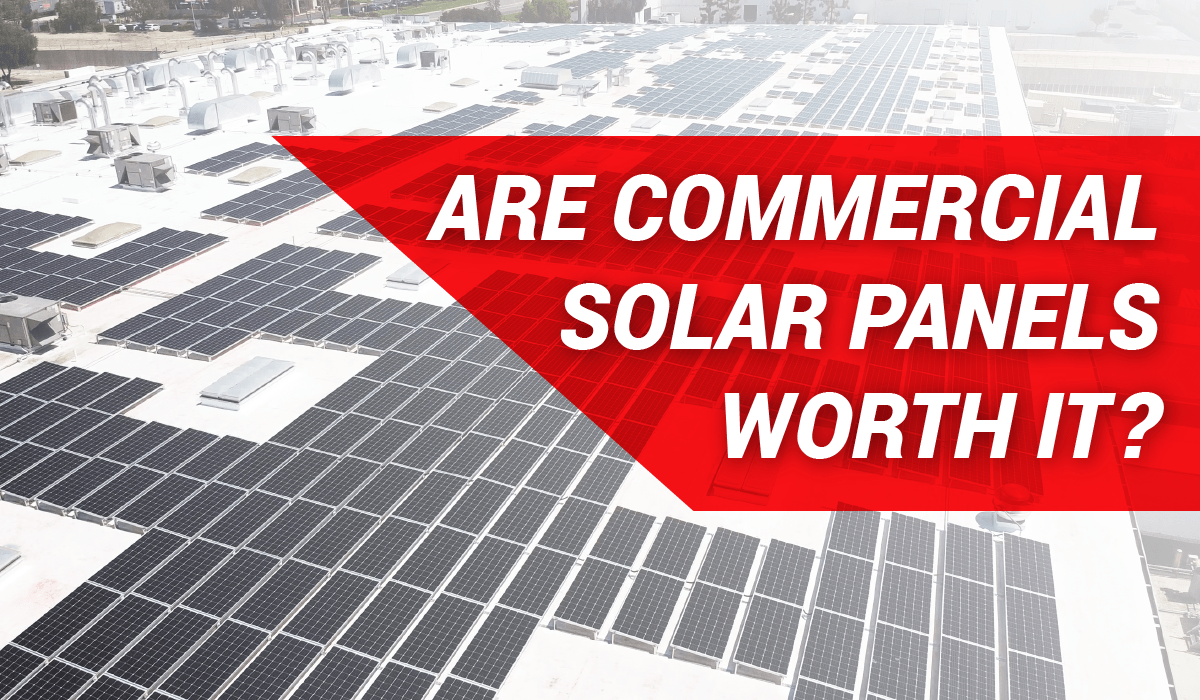
Are Commercial Solar Panels Worth It?
Are commercial solar panels worth it? Solar is a proven technology for commercial, industrial and agricultural business, as California is the nation’s largest market for rooftop solar. As electricity costs increase, solar adoption rates for both commercial and residential sectors continue to rise.
Since 2011, the price of solar panels have fallen by roughly 90% as global solar deployment has increased by over 400% – this includes commercial, industrial, agricultural and residential solar installations. Facing inflation and rising energy costs, demand for commercial solar is high as competitive businesses look to this sustainable, cost-effective solution to offset their electricity costs. In addition to significant electricity bill savings, when a business invests in commercial solar, they are protected against a certain future of energy rate increases which provides sustainable long-term value.
Why 2026 is a Make-or-Break Year for Commercial Solar ROI
If you are evaluating whether commercial solar panels are worth it, the timeline of your decision is just as important as the technology. For California and Arizona businesses, 2026 presents a massive, time-sensitive financial opportunity – but the window is closing rapidly.
Here is what is driving the urgent pivot to commercial solar right now:
The 76% “Invisible” Grid Inflation: When auditing the historical utility data of a real commercial facility, we uncovered a staggering reality: despite maintaining the exact same energy usage, their annual electricity costs surged by 76% over five years. This equates to an average annual increase of 10.5%.
The Explosion of “Delivery” Charges: You are increasingly paying utilities just for the privilege of being connected to the grid. Today, delivery and demand charges – the cost of moving electricity across the wires, now account for 50% to 70% of your total monthly spend.
The 50% Investment Tax Credit (ITC) Window: The federal incentives currently available are unprecedented but temporary. Eligible businesses can secure up to 50% of their entire solar investment back as a tax credit by combining a 30% base rate with a 10% domestic content bonus and a 10% energy community bonus.
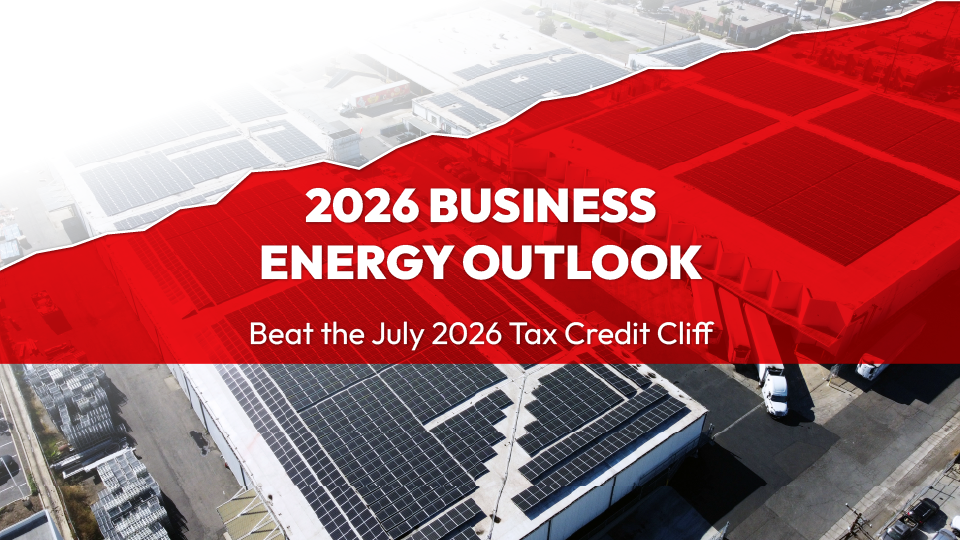
The July 4th “Safe Harbor” Deadline: To lock in that 50% tax credit, the IRS requires projects to officially begin construction by July 4, 2026.
The Hidden Trap: While July might seem distant, utility gridlock makes the reality much tighter. Currently, utilities are missing 73% of their interconnection deadlines , pushing standard commercial solar planning horizons out to 12 to 18 months.
To beat the backlog and successfully “safe harbor” your 50% tax credit, businesses must initiate engineering and secure major equipment procurement immediately. Waiting until the summer effectively means risking half of your potential investment return.
Commercial Solar vs. Residential Solar - What is the Difference?
The technology used in residential solar panels and commercial solar panels are very similar, the difference between the two is that commercial solar utilizes “Tier 1″ panels and inverters rated for the expected heightened demand. This larger scale and scope brings in more layers of complexity to an already complicated permitting process.
More businesses are accessing the hidden potential right above them by installing rooftop commercial solar panel racking systems to offset their demand. By significantly reducing already costly electricity bills, a commercial-grade solar panel system for commercial, industrial or agricultural businesses can quickly pay itself off in 3-5 years.
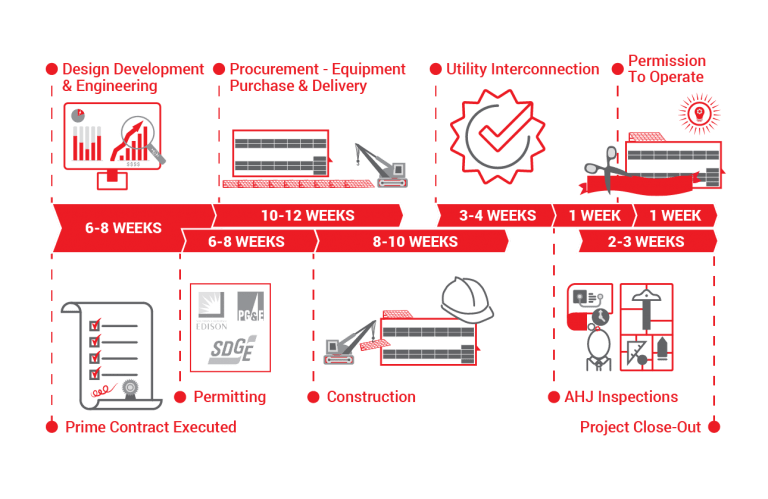
Commercial Solar Project Timelines
Residential projects typically last a few weeks, technical issues are more easily identifiable and solved quickly. Commercial solar systems can take a few months to a year to complete due to varying circumstances during design, permitting and construction.
Properties and buildings are unique, requiring our team of engineers and project managers to identify the most optimal solution when implementing our design. This longer timeline is a result of economies of scale, and requires more patience when dealing with potential bumps along the way, but creates more significant savings by offsetting higher electricity bills.
Utility interconnection, or achieving “permission-to-operate” (PTO), is a key element to commercial solar systems that requires precise and organized record-keeping along with following established regulations. This is often a lengthy process, but the Revel Energy team takes pride in our comprehensive process, with experience permitting a wide variety of agricultural, commercial, and industrial solar solutions. In 2021 alone, our team earned timely and cost-effective interconnections for almost 5MW of solar for California businesses.
How does Commercial Solar Produce Savings?
Similar to residential systems, agricultural, commercial and industrial solar panels convert sunlight into electricity. That electricity goes through an inverter to convert the direct current (DC) into alternating current (AC) for the property to use, offsetting demand previously provided by the utility.
Commercial solar systems have higher initial costs but lower cost per watt. Economies of scale allow EPC (Engineering, Procurement & Construction) companies, like Revel Energy, to save on the bulk costs of buying commercial-grade solar panels, mounting systems, inverters and energy storage systems.
Commercial, industrial and agricultural business throughout California have accessed the benefits provided by solar panels, realizing the financial worth and value that come along with achieving sustainability goals. By reducing their operating costs, forward-thinking businesses with solar have a competitive financial advantage in their respective industries.
Energy Infrastructure to Support Solar Solutions
Solar requires the appropriate infrastructure for grid-interconnection and commercial systems require much more transmission capacity compared to smaller residential systems. These required upgrades are important considerations that we account for and are key in appropriately permitting and commissioning a commercial solar system, highlighting the value of our experience permitting many different commercial solar solutions.
Rising Electricity Rates for California Businesses in 2026
As grid constraints push California electricity costs to record highs, agricultural, commercial, and industrial operations are fighting these rising rates sustainably with commercial solar and energy storage.
While historical rate hikes before 2020 hovered around 3.5% per year, the reality of the 2026 decoupled grid is far more severe. Our recent analysis of actual client utility data revealed a staggering 76% cost increase over just five years – representing an “invisible inflation” averaging 10.5% every single year. Looking at the broader trend, California IOU customers have faced a massive 90% average increase between 2013 and 2025.
These increases are heavily driven by the explosion of “Delivery” charges, which now routinely make up 50% to 70% of a facility’s total monthly spend. Compounding this, utilities like Southern California Edison requested a 14.4% increase for the current 2026 General Rate Case (GRC) cycle, with the CPUC approving a still-painful 9.1% hike.
The Power of Power Purchase Agreements (PPA)
An increasing number of businesses are turning to Power Purchase Agreements (PPAs) as a cost-effective way to install commercial solar. PPAs offer a way to utilize existing budgeted operating expenses to gradually finance a more sustainable electricity source.
By entering into a PPA, businesses can secure solar energy at a fixed, predictable rate, often lower than the utility’s rate. This approach mitigates the impact of rising electricity rates and also aligns with the growing prevalence of environmental sustainability goals.
A solar PPA protects businesses from a certain future of rising electricity costs by locking in a predetermined escalation rate, using solar generation to offset electricity bills to provide financial and operational flexibility.
Learn if your business can access Commercial Solar through a Power Purchase Agreement (PPA).
Yes, Commercial Solar Panels Are Certainly Worth It!
Commercial solar is worth the price, worth the time investment, and worth the effort that it takes to get panels onto the roof of your business to reduce reliance on the utility. If your business can take advantage of the lucrative incentives, like the solar investment tax credit, the high return on investment and short payback periods quickly generates positive cash flow.
We’ve helped many commercial, industrial and agricultural businesses like farms throughout California nearly eliminate their electricity bills with commercial solar, enabling them to invest those savings back into the company. Contact us today to learn how Revel Energy can help your business create capital sustainably.
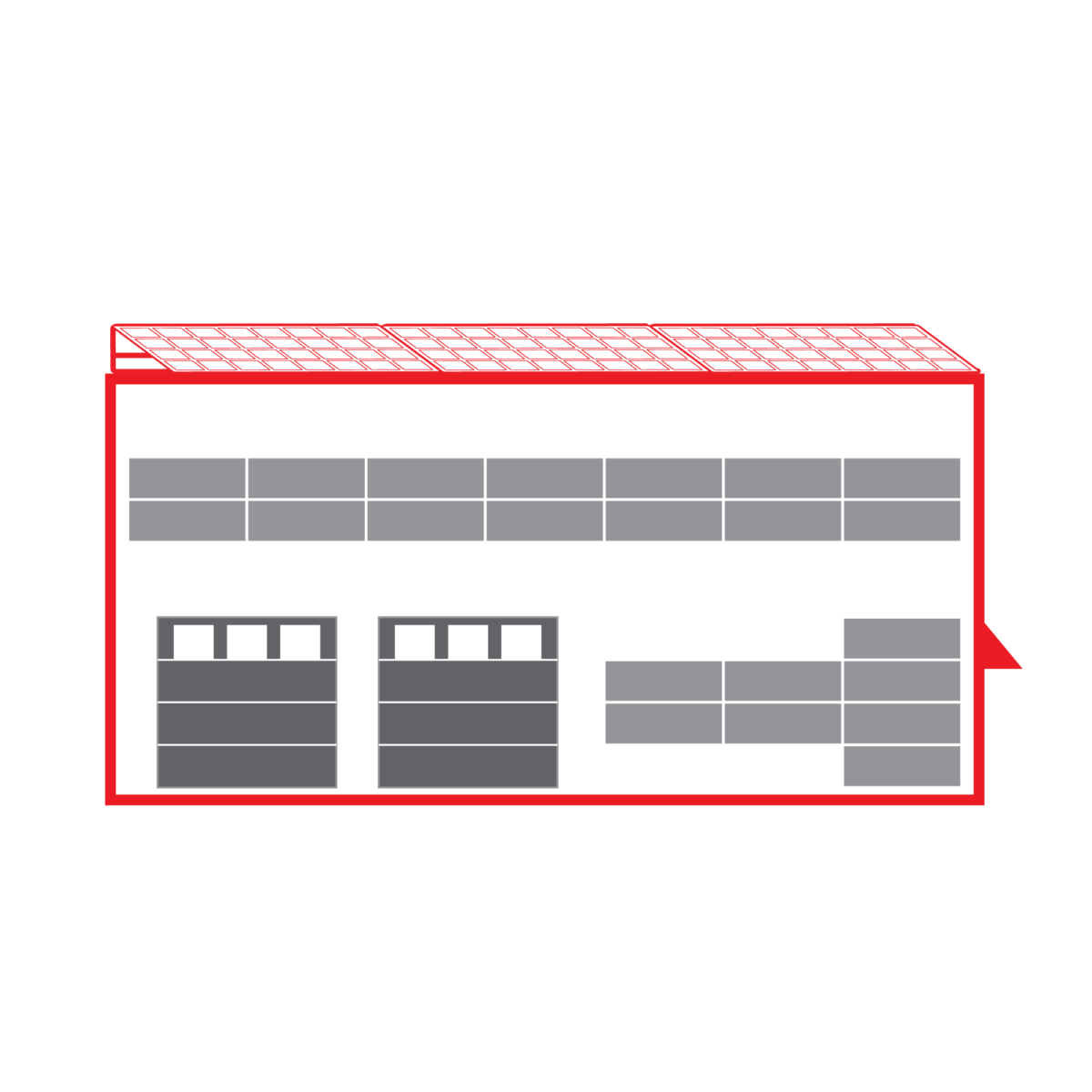
Commercial grade rooftop solar is ideal for: manufacturing, warehousing, logistics, industrial, retail, hospitality buildings and more with over 10,000 sq. ft. rooftops.
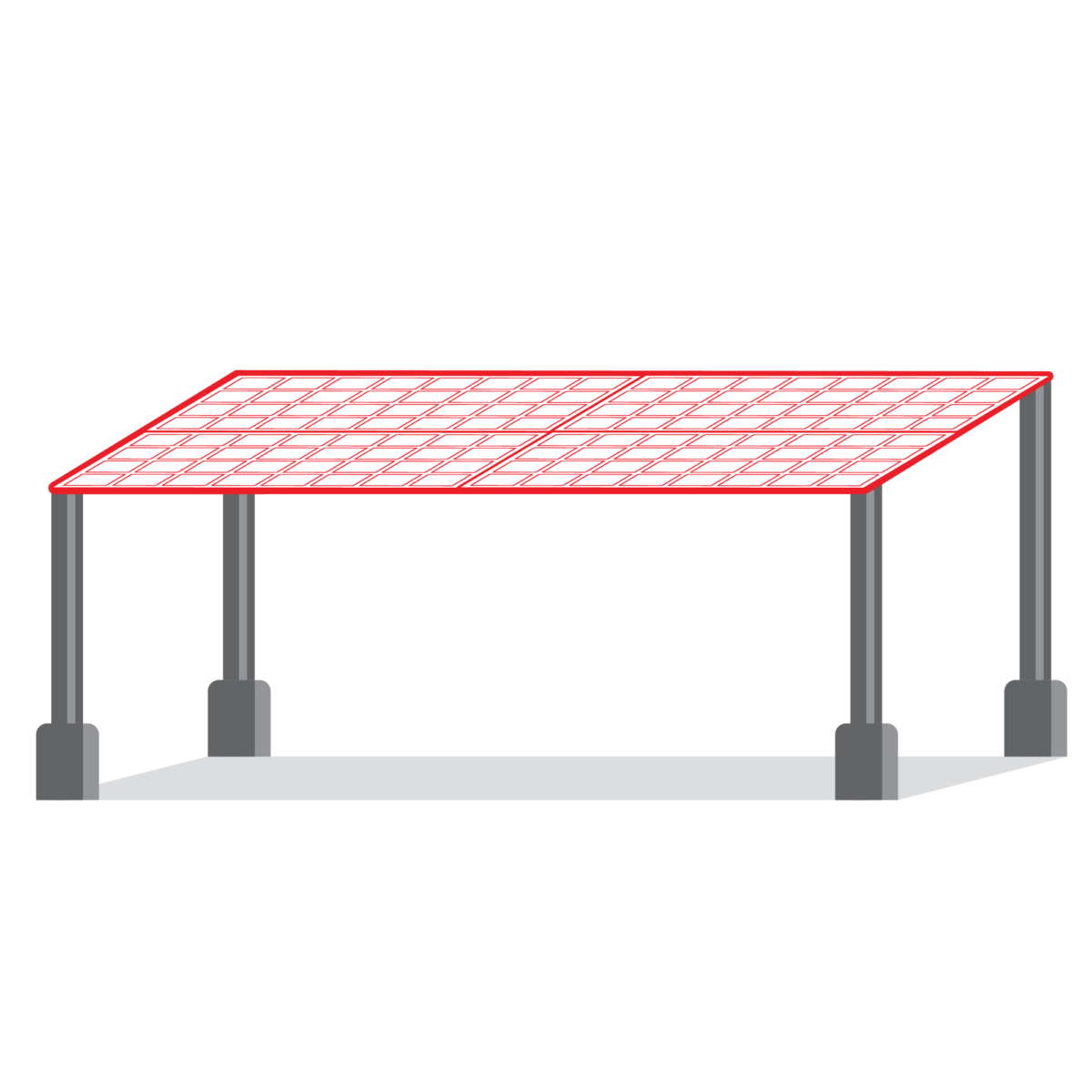
CARPORT SOLAR
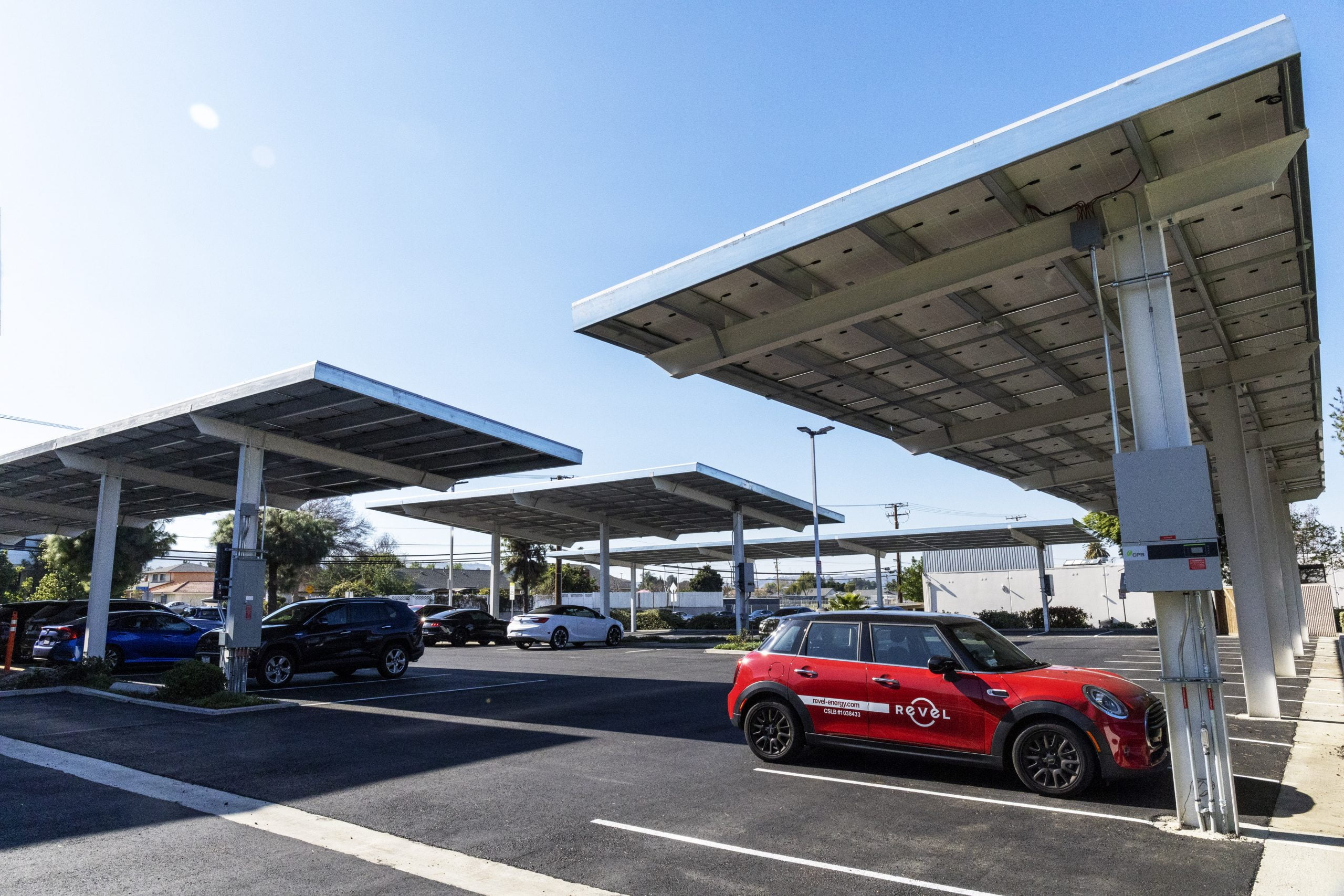
Free standing carport solar generates added solar power for properties with limited rooftop space. Added benefits include shading and protection for employees vehicles.
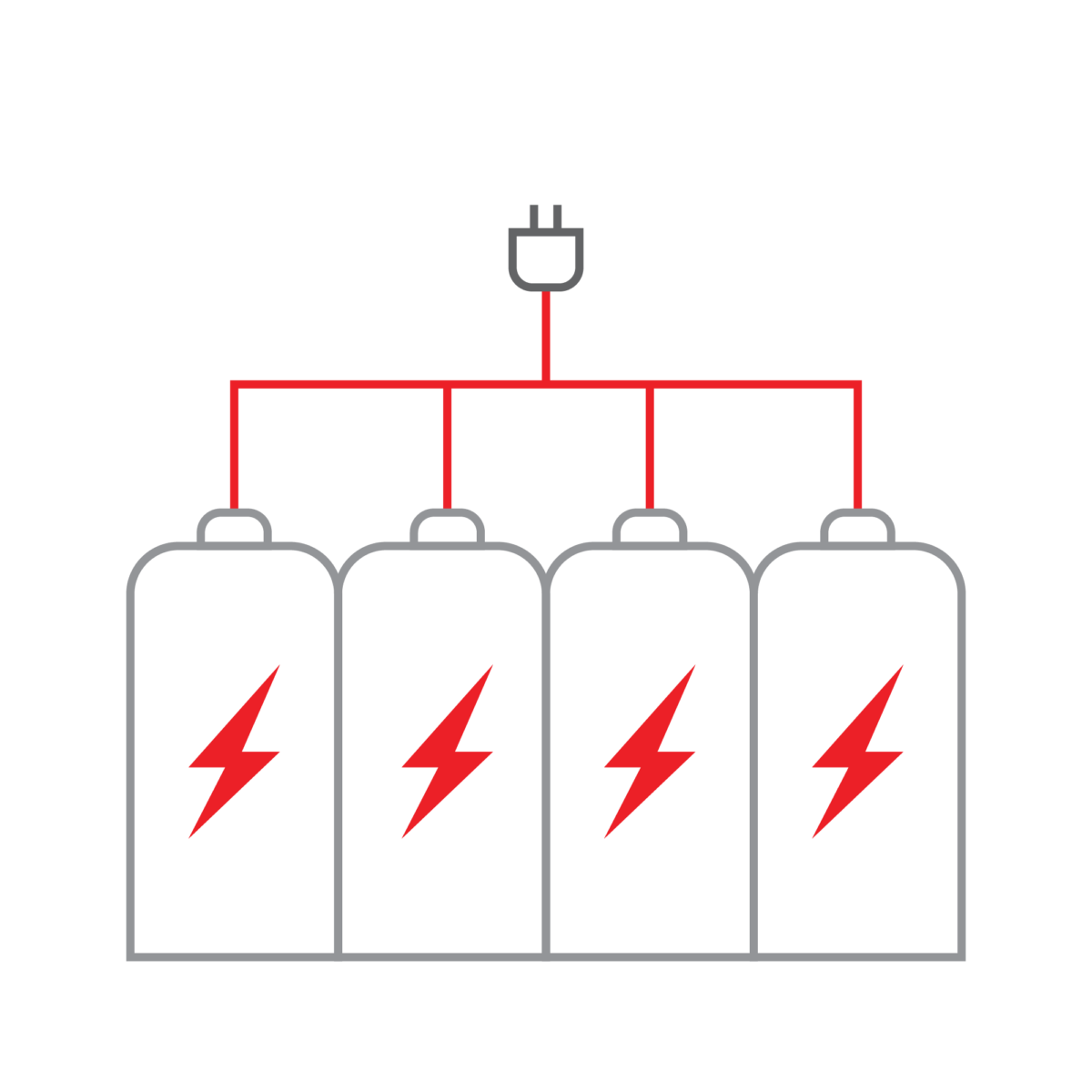
Crucial for reducing peak demand charges. Automated to supply electricity when your panels won’t. Energy storage is ideal for businesses that incur significant peak charges.
As the popularity of electric vehicles increase, so does the demand for on-site charging. This sustainable amenity has become a parking lot fixture for competitive employers.
OUR SERVICES
TURNKEY COMMERCIAL GRADE SOLAR, ENERGY STORAGE, LED LIGHTING, EV CHARGING STATIONS AND MORE.
PROFESSIONAL GUIDANCE
CUSTOM TAILORED PLANNING
CONSTRUCTION & INSTALLATION
CSLB #1106092
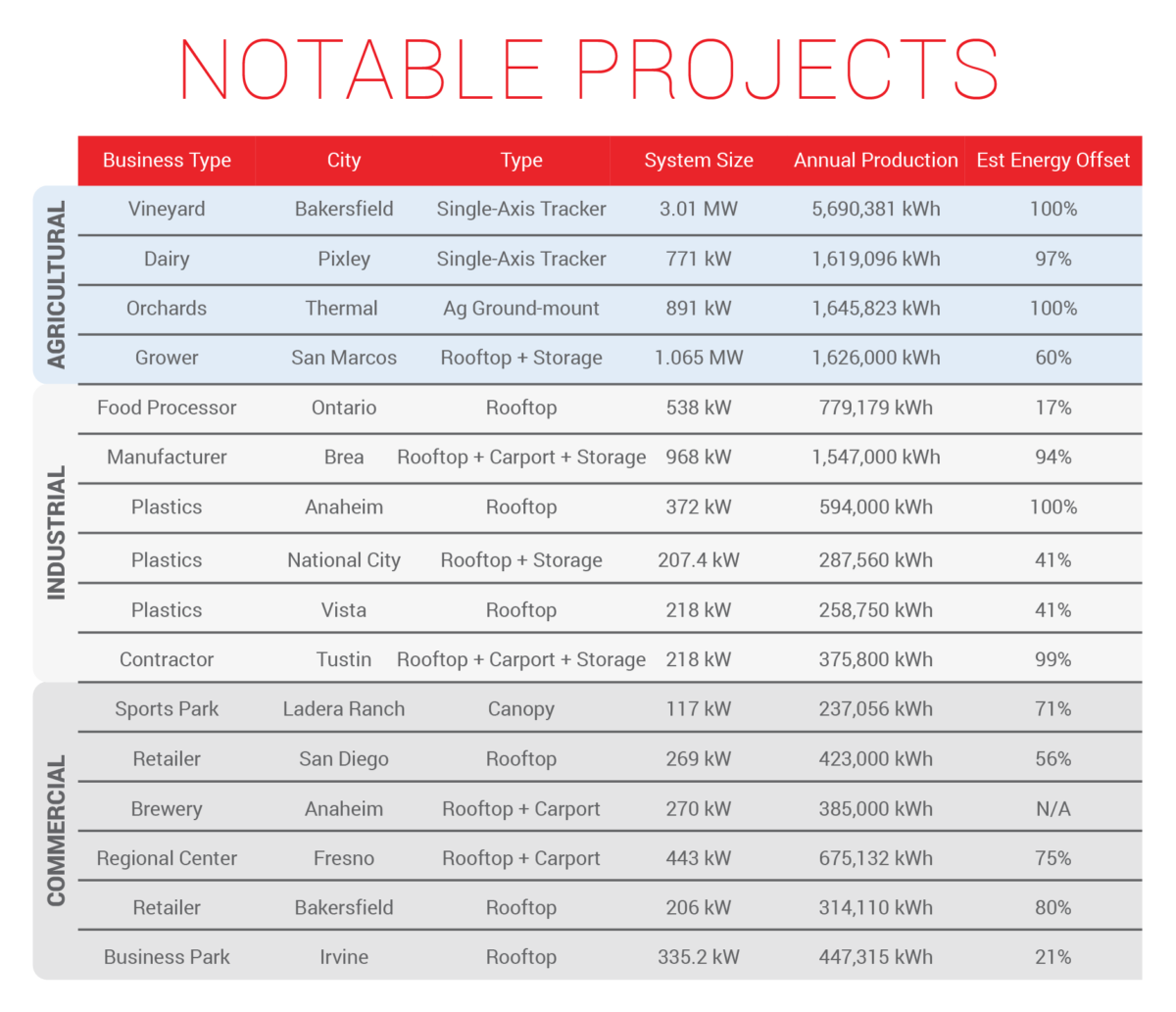
See how these businesses saved on electricity, gained valuable tax credits and rebates with commercial solar and energy storage.
Client Testimonial: Kelemen Company
Corporate Business Park in Irvine, CA has created significant electricity cost savings through commercial solar installed across the 5-building business park.
Client Testimonial: Tice Gardner & Fujimoto LLP
See how this CPA firm saved on electricity and gained valuable tax credits through commercial solar that they used to keep cash in the businesses.
I used to be recommended this web site by way of
my cousin. I’m no longer sure whether or not this submit is written by him
as no one else recognize such unique about my trouble. You are
incredible! Thanks!