Most businesses are about to lose six weeks. Thanksgiving, the holidays and year-end close fill the calendar from now until mid-January. Then budgets reset, and a solar project someone planned to "look at in Q1" quietly becomes a Q2 conversation.
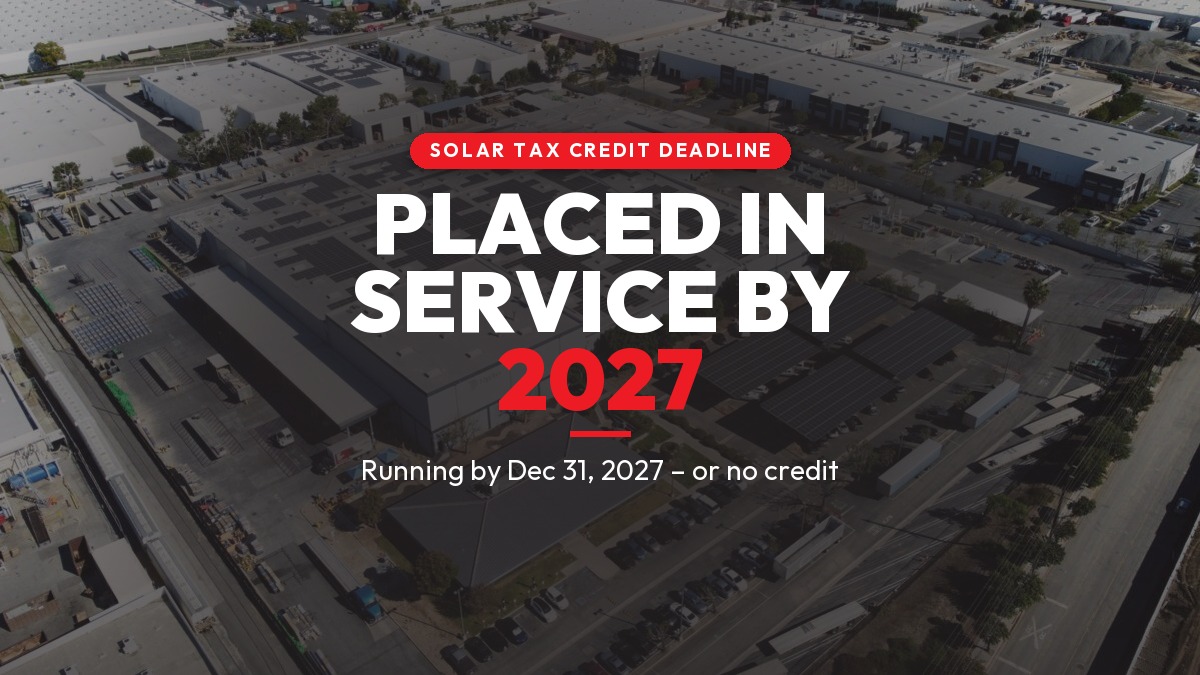
In a normal year, that's fine. This year it isn't. The federal tax credit for commercial solar now has a hard finish line: the system must be placed in service by December 31, 2027. Here's what the rule says, why the calendar is tighter than it looks, and what to do before the office empties out.
What the rule says now
The 2025 federal tax law changed the clean electricity investment credit (Section 48E). Solar projects that began construction by July 4, 2026 got a longer runway. That window has closed.
For a commercial solar project starting today, the rule is simple:
- If it isn't placed in service by December 31, 2027, it doesn't get the credit. That's the statute itself, not a guideline (26 U.S.C. §48E(e)(4)).
- The credit is still there until then – 30% of eligible cost for most commercial systems. Your tax advisor confirms how it applies to you.
- New sourcing rules apply to projects that start in 2026 or later. They limit equipment from certain foreign suppliers (Baker Botts, Jul 8, 2025). Your installer should be able to document compliance.
The takeaway: the date that matters isn't when you sign. It's when the system is running.
"Placed in service" means running, not just installed
Panels on the roof don't count. When the IRS has looked at when a power system is placed in service, it has weighed factors like these (IRS PLR 201611011, Mar 11, 2016):
- Permits and approvals are in hand.
- The system has been turned over to the owner.
- Critical tests are complete.
- It's running on a regular, daily basis.
- It's connected to the grid and producing power.
For a commercial system in California, the last step usually belongs to the utility: permission to operate. You control when you sign. The utility controls when you flip the switch.
Why the holidays make Q1 tight
Count backward from December 31, 2027.
- A commercial solar project typically takes 6 to 12 months or more from signed contract to energization. That covers engineering, permits, equipment, construction and the utility's review. It takes longer if the utility needs to upgrade anything.
- Utility review is the hardest part to predict. In late 2025, 18 California legislators asked the CPUC to enforce interconnection deadlines after some review steps were met only 27% to 45% of the time (pv magazine, Dec 2, 2025).
- The approvals on your side take time too. Board sign-off, financing and your tax advisor's review rarely move during the last two weeks of December.
- The math gets short fast. From mid-November to the end of 2027 is about 13 months. If the decision slides to the end of March, about nine months are left. That's the short end of a normal project, with no room for a slow permit or a utility upgrade.
The takeaway: a project signed in Q1 can still make it. A decision that drifts into Q2 is a bet that everything goes right.
Sell now, deliver in 2027
Revel is booking 2027 projects now. We won't promise an install date in a blog post. Every roof, site and circuit is different, and anyone who promises a date before seeing yours is guessing.
What we can do is show you, site by site, what has to happen and in what order. A site review and design done this winter puts your project in line for permits and the utility early in the year, instead of waiting on a February budget meeting.
We've done this before. Hydro Extrusions in the City of Industry runs a 983 kW rooftop and carport system that offsets about 30% of its power. OC Cold Storage runs about 2 MW. Both paid back in under four years under the incentives in place at the time.
What if your site can't make 2027?
Then we'll tell you. Solar still cuts bills without the credit, because utility rates keep climbing (why rates keep rising). The math is just different. And if the real problem is that the utility can't give your building more power yet, start with your circuit.
The bottom line
The credit hasn't gone away. The time to use it is going away. Every month you wait comes out of the project's schedule, not the deadline's.
What to do before the holidays
- Send us your last 3 months of utility bills. We'll run a Free Energy & Financial Analysis: what solar could do for your site under today's rules, and what a realistic path to December 31, 2027 looks like. No pressure and no install-date promises – just the numbers.
- Loop in your tax advisor now, before year-end close takes over January.
- Put it on the first Q1 agenda, not the last one.
ROOFTOP SOLAR
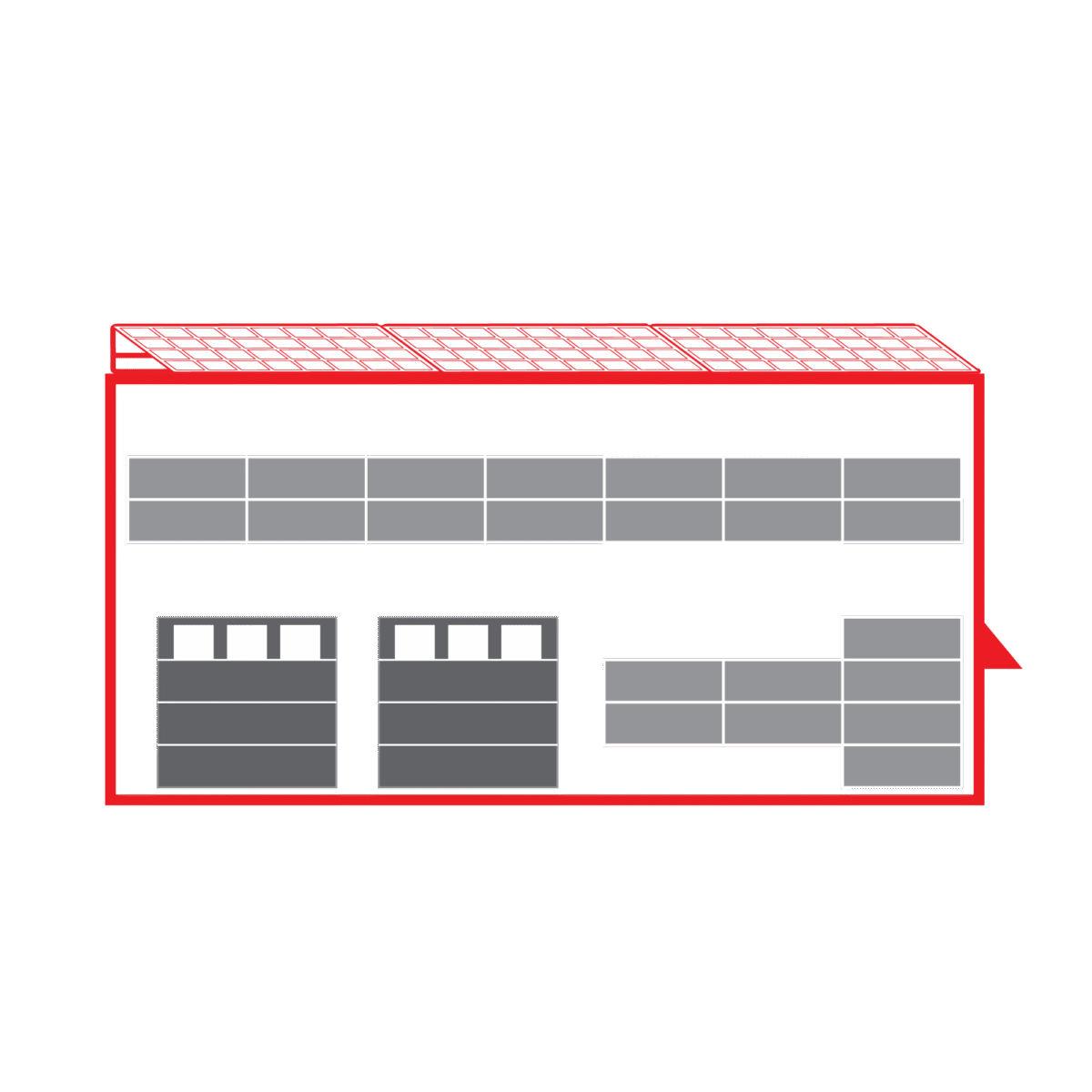
Commercial grade rooftop solar is ideal for: manufacturing, warehousing, logistics, industrial, retail, hospitality buildings and more with over 10,000 sq. ft. rooftops.
CARPORT SOLAR
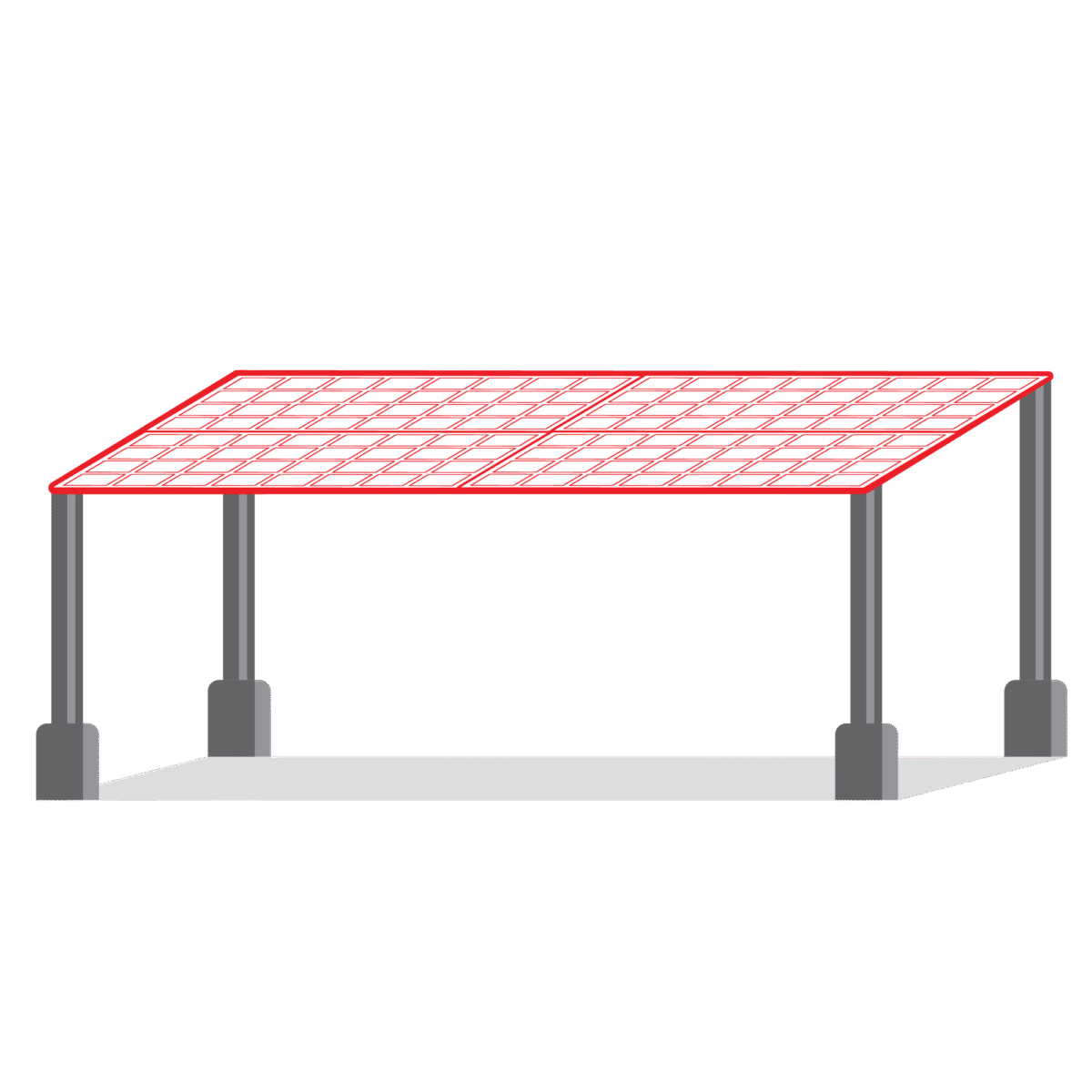
Free standing carport solar generates added solar power for properties with limited rooftop space. Added benefits include shading and protection for employees vehicles.
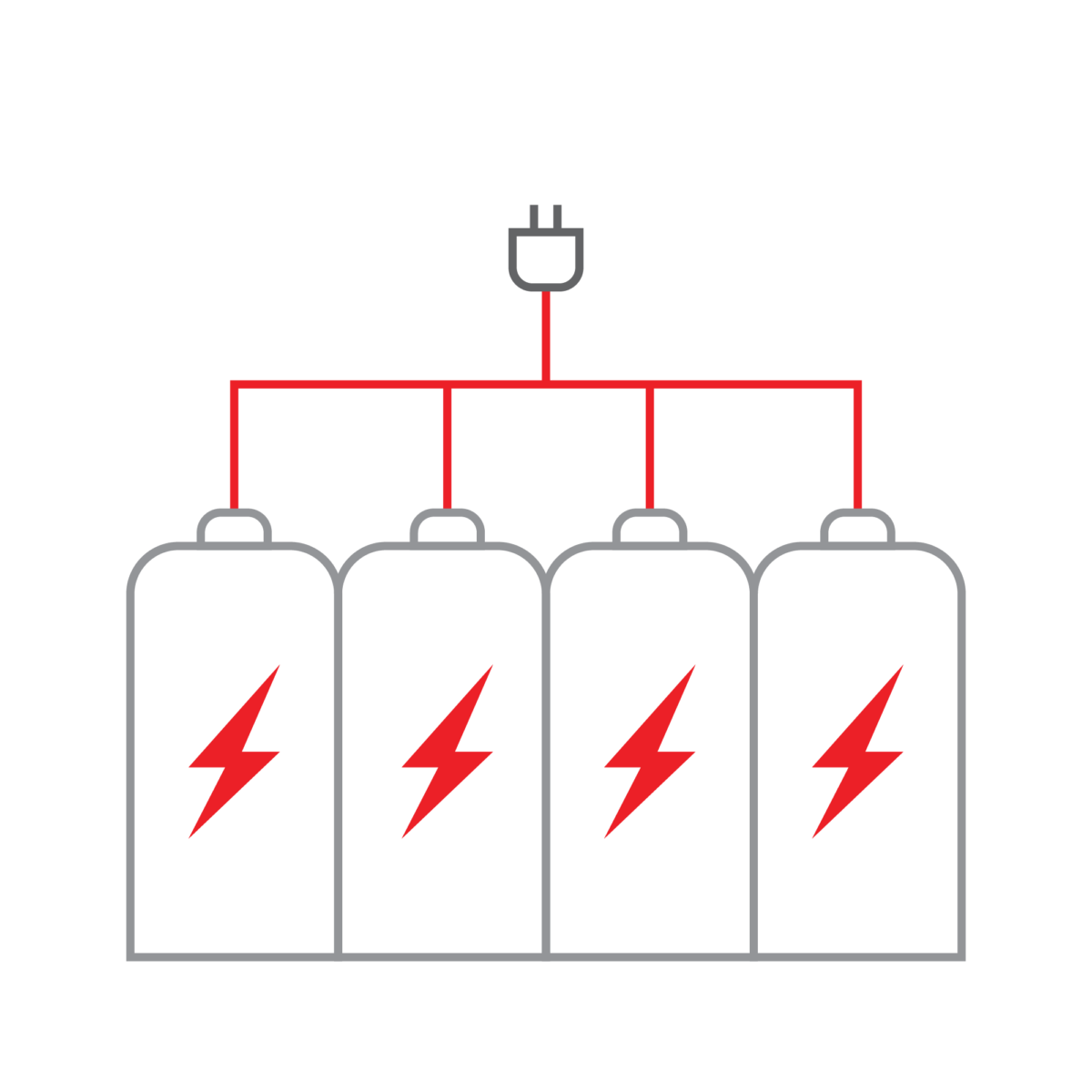
ENERGY STORAGE
Crucial for reducing peak demand charges. Automated to supply electricity when your panels won’t. Energy storage is ideal for businesses that incur significant peak charges.
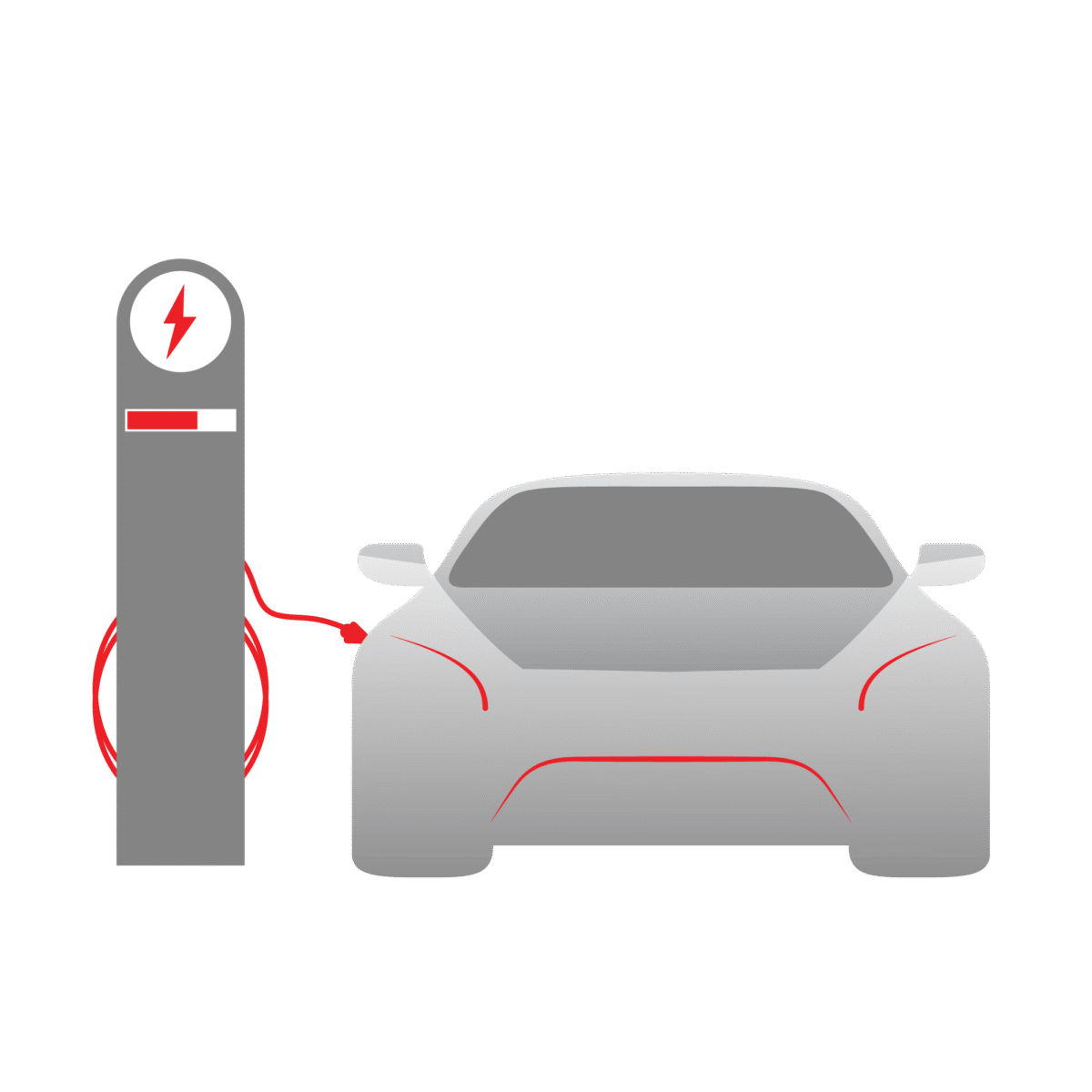
EV CHARGING STATIONS
As the popularity of EVs increase, so does the demand for on-site EV charging stations. This sustainable amenity has become a parking lot fixture for employers.
CREATING CAPITAL THROUGH SUSTAINABILITY, WE OFFER:
PROFESSIONAL GUIDANCE
CUSTOM TAILORED PLANNING
ENGINEERING, PROCUREMENT, CONSTRUCTION & INSTALLATION
CSLB #1106092
Client Testimonial: Kelemen Company
Corporate Business Park in Irvine, CA has created significant electricity cost savings through commercial solar installed across the 5-building business park.
Client Testimonial: Tice Gardner & Fujimoto LLP
See how this CPA firm saved on electricity and gained valuable tax credits through commercial solar that they used to keep cash in the businesses.