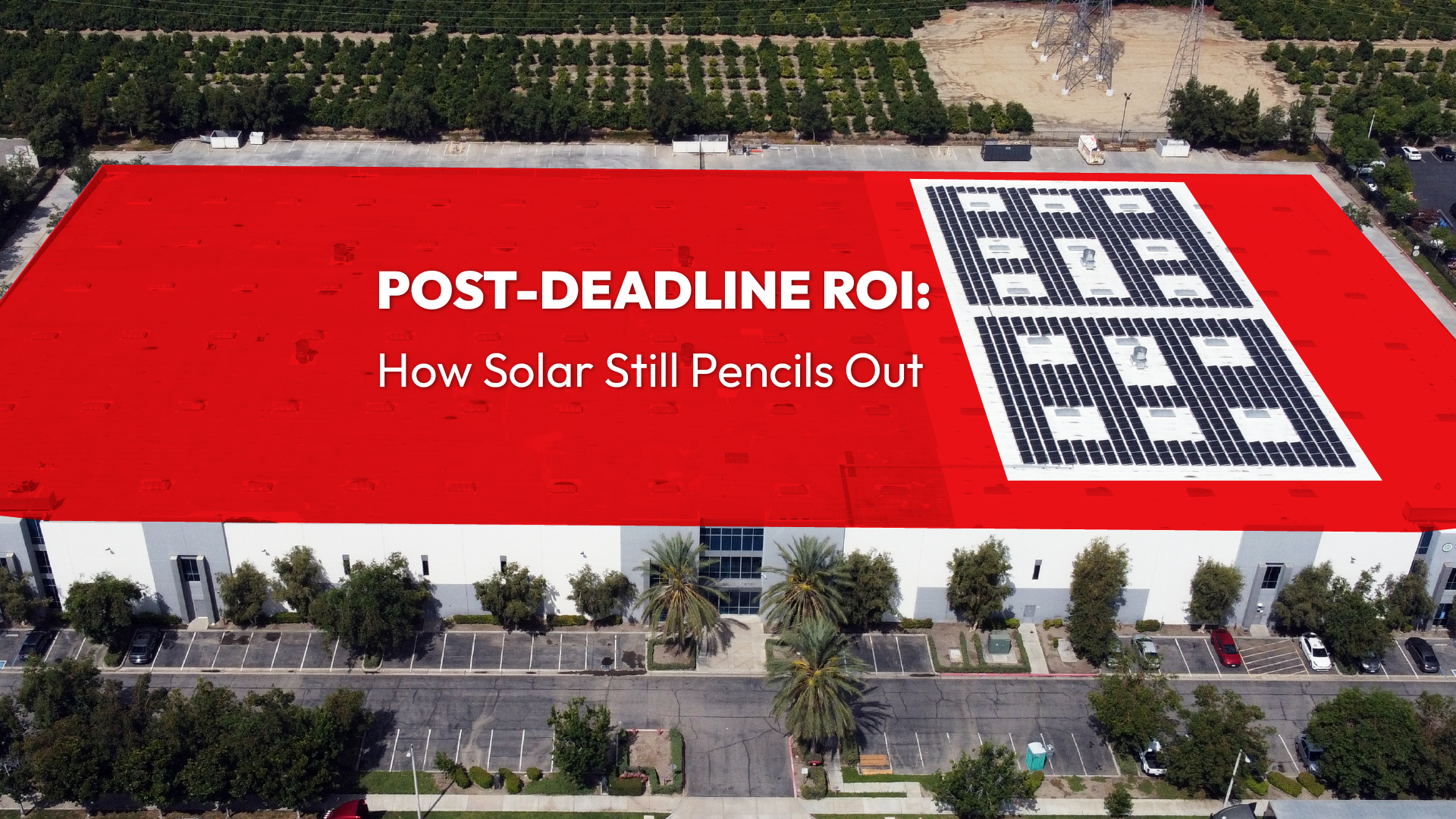
For the past year, the commercial solar industry has been sounding the alarm about a single date: July 4, 2026.
The urgency was justified. Hitting the IRS “Safe Harbor” deadline to lock in a stacked 50% Investment Tax Credit (ITC) offered businesses an unprecedented opportunity to cut their capital expenditure in half. By initiating equipment procurement and physical work before the window closed, companies were securing project payback periods of just 3 to 4 years.
But as that deadline passes, a critical question remains for CFOs and facility operators who couldn’t finalize capital in time: If we missed the maximum tax credit window, is commercial solar still a viable financial investment?
The short answer is yes – but the financial mechanics of how you acquire it are shifting. Here is the exact post-deadline reality for commercial solar, and why the math still heavily outperforms the status quo.
Accessibility of the Bonus Adders
When the July 4th window closes, it is the highly lucrative bonus “adders” that are the first casualties.
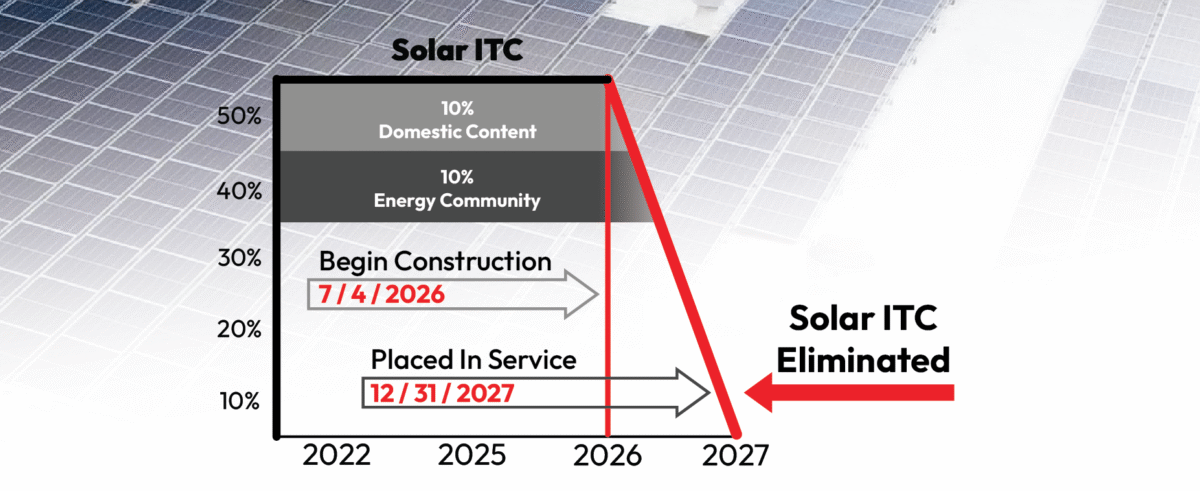
To achieve that massive 50% tax credit, projects relied on stacking the 30% base credit with a 10% Domestic Content bonus and a 10% Energy Community bonus. Missing the Safe Harbor deadline – coupled with tightening Foreign Entity of Concern (FEOC) restrictions on supply chains, makes qualifying for the domestic content adder exponentially more difficult.
While the baseline ITC still exists for projects placed in service before the end of 2027, relying on that timeline introduces a massive, uncontrollable risk: utility interconnection.
To claim that baseline credit, your system cannot just be purchased or safe-harbored, it must be fully permitted, constructed, and officially online (“placed in service”) before the deadline. With utilities currently missing 73% of their interconnection deadlines and backlogs routinely stretching 12 to 18 months, aiming for a 2027 completion puts your project’s financial eligibility squarely in the hands of the utility company.
Even without the stackable adders, the baseline credit still supports an exceptionally high-performing investment with a 5-to-7 year payback. However, leaving your tax strategy at the mercy of growing utility gridlock is a severe risk, meaning even baseline projects must initiate engineering immediately to ensure they beat the utility clock.
The PPA Pathway (& Why That Window is Closing Too)
For businesses that miss the Safe Harbor window for a direct capital purchase, Third-Party Ownership – specifically Commercial Solar Leases and Power Purchase Agreements (PPAs) – becomes the most strategic pathway forward.
Under a PPA, a third-party financier pays for the installation, owns the system, and absorbs the complex tax compliance. In return, they sell the generated electricity back to your facility at a fixed, predictable rate that is significantly lower than your utility’s price. This allows you to completely bypass the loss of the ITC adders and still secure day-one operational savings with zero upfront CapEx.
However, this safety net also has a ticking clock. The financial institutions funding these PPAs are subject to the exact same federal deadlines. To offer the most aggressive, discounted PPA rates to your facility, they too must meet strict placed-in-service deadlines before the end of 2027. As those statutory windows tighten, PPA rates will inevitably adjust upward. Waiting until 2027 to negotiate a PPA guarantees a less favorable rate than acting today.
Energy Storage: Your Hedge Against Demand Charges
As federal tax credits adjust, the operational focus shifts heavily to the equipment itself – specifically, battery storage.
If delivery and demand charges are the true pain points eroding your Net Operating Income (NOI), a commercial energy storage system is the ultimate financial shield. By actively “peak shaving,” a battery system takes over your facility’s load during the grid’s most expensive hours.
This effectively “hides” your building from the utility’s Critical Peak Pricing (CPP) events. The savings generated by permanently eliminating extreme peak demand penalties often eclipse the value of the tax credits over the life of the system.
The Bottom Line
The July 4th deadline was a massive accelerant for commercial solar, but it was never the sole reason to upgrade. The true value of commercial solar lies in taking permanent control of your operational expenses and shielding your cash flow from the compounding costs of an unstable grid.
The tax math may have shifted, but the grid math has only gotten worse.
Request a Free Energy & Financial Analysis Today to see the exact ROI, PPA rates, and timeline for your facility under the current federal structure.
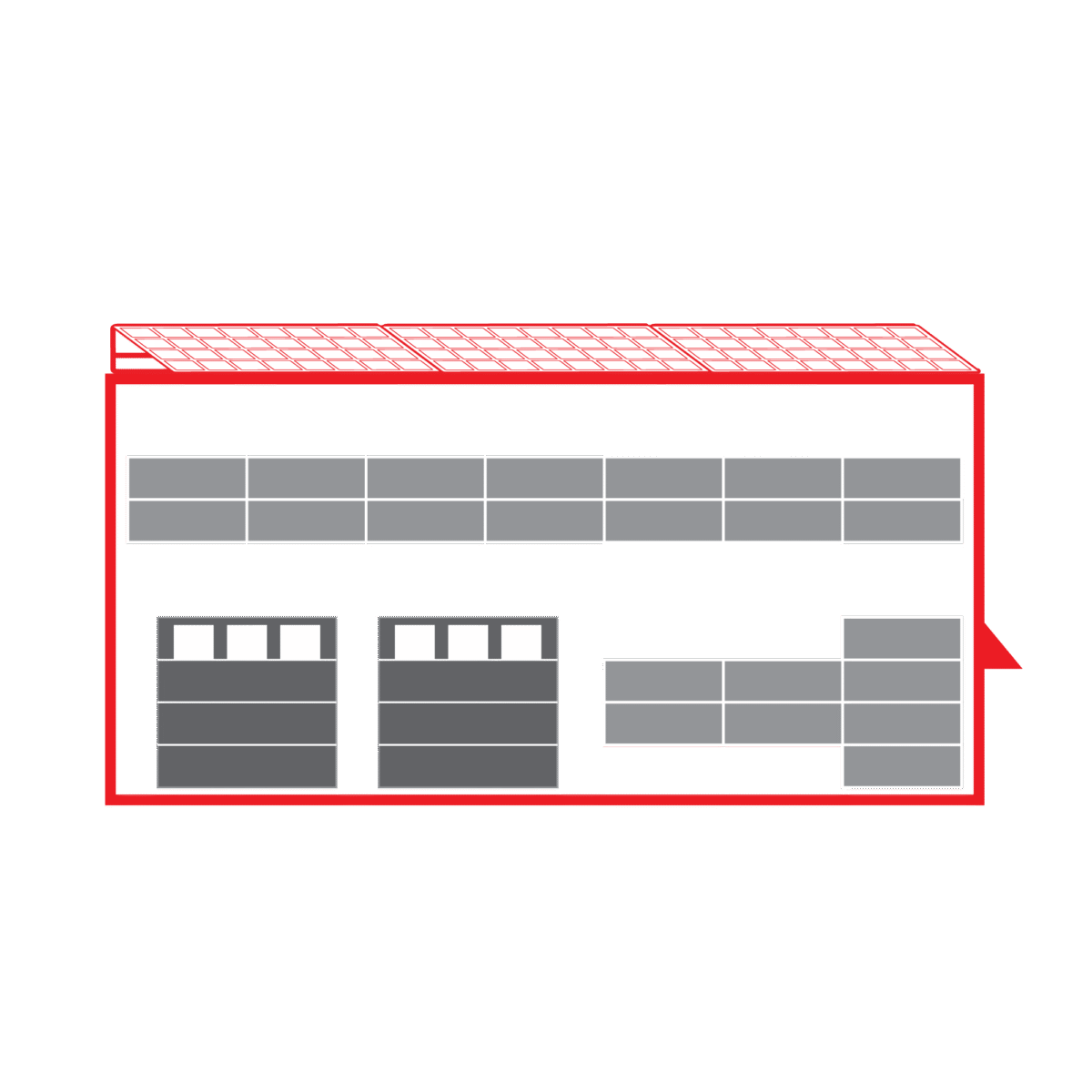
ROOFTOP SOLAR
Commercial grade rooftop solar is ideal for: manufacturing, warehousing, logistics, industrial, retail, hospitality buildings and more with over 10,000 sq. ft. rooftops.
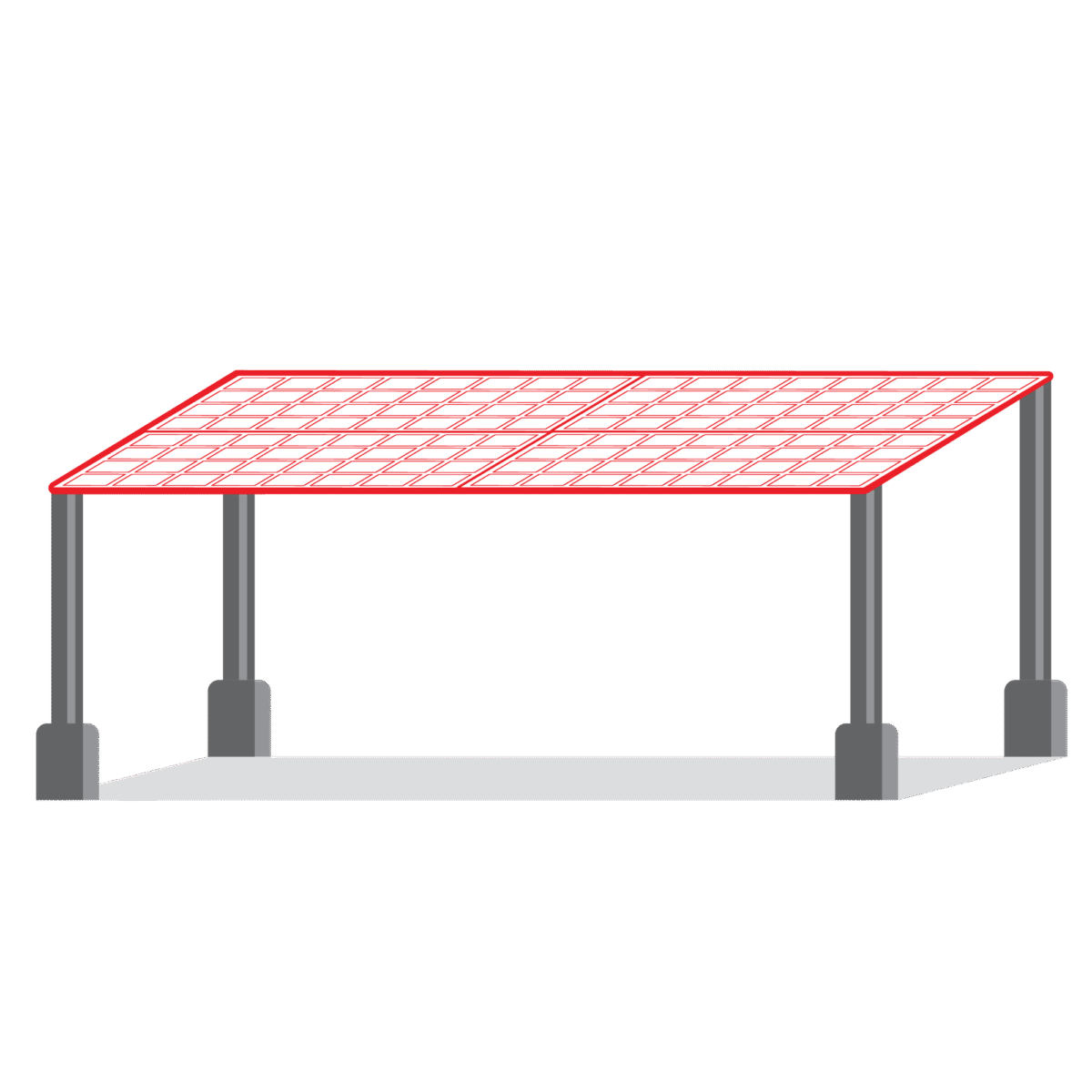
CARPORT SOLAR
Free standing carport solar generates added solar power for properties with limited rooftop space. Added benefits include shading and protection for employees vehicles.
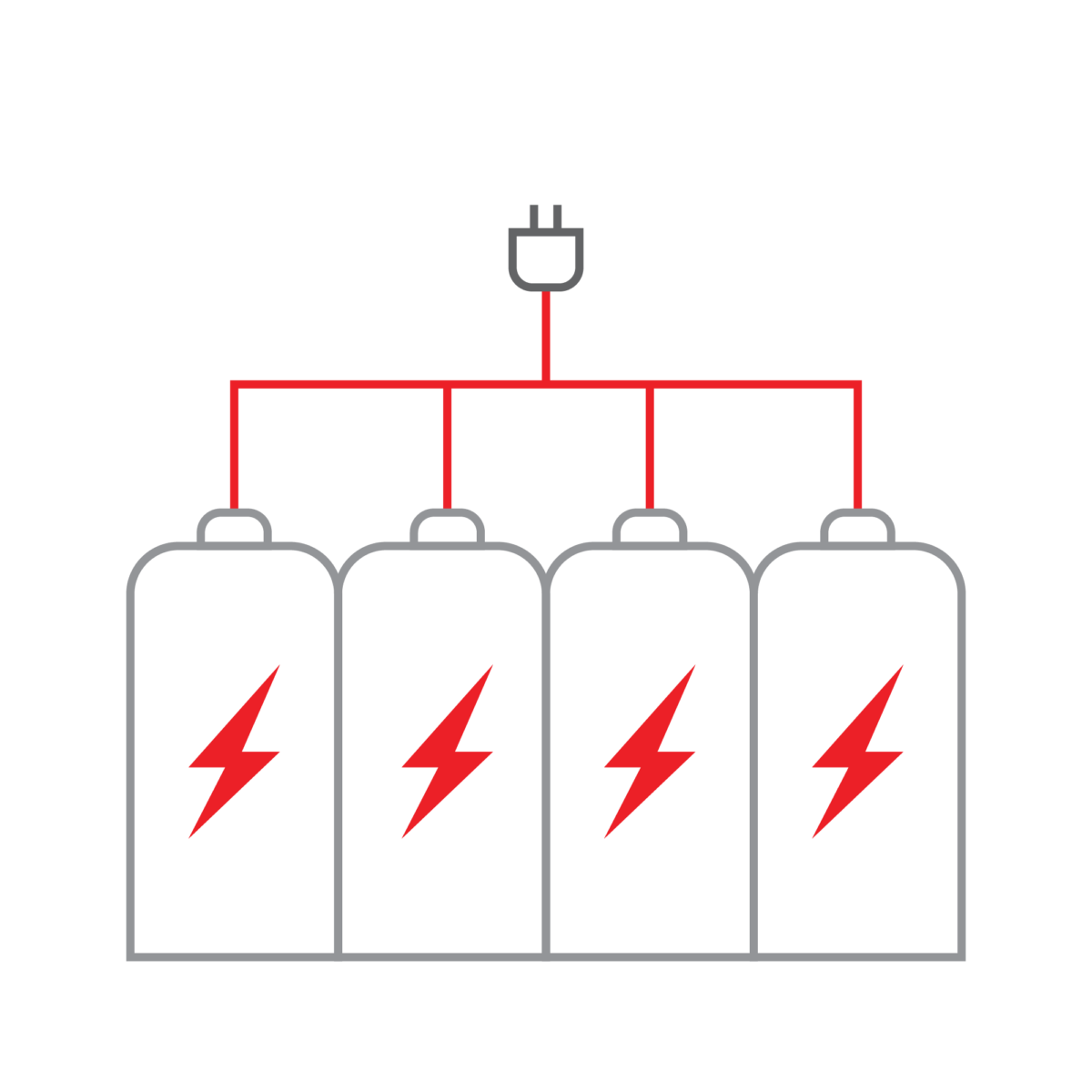
ENERGY STORAGE
Crucial for reducing peak demand charges. Automated to supply electricity when your panels won’t. Energy storage is ideal for businesses that incur significant peak charges.
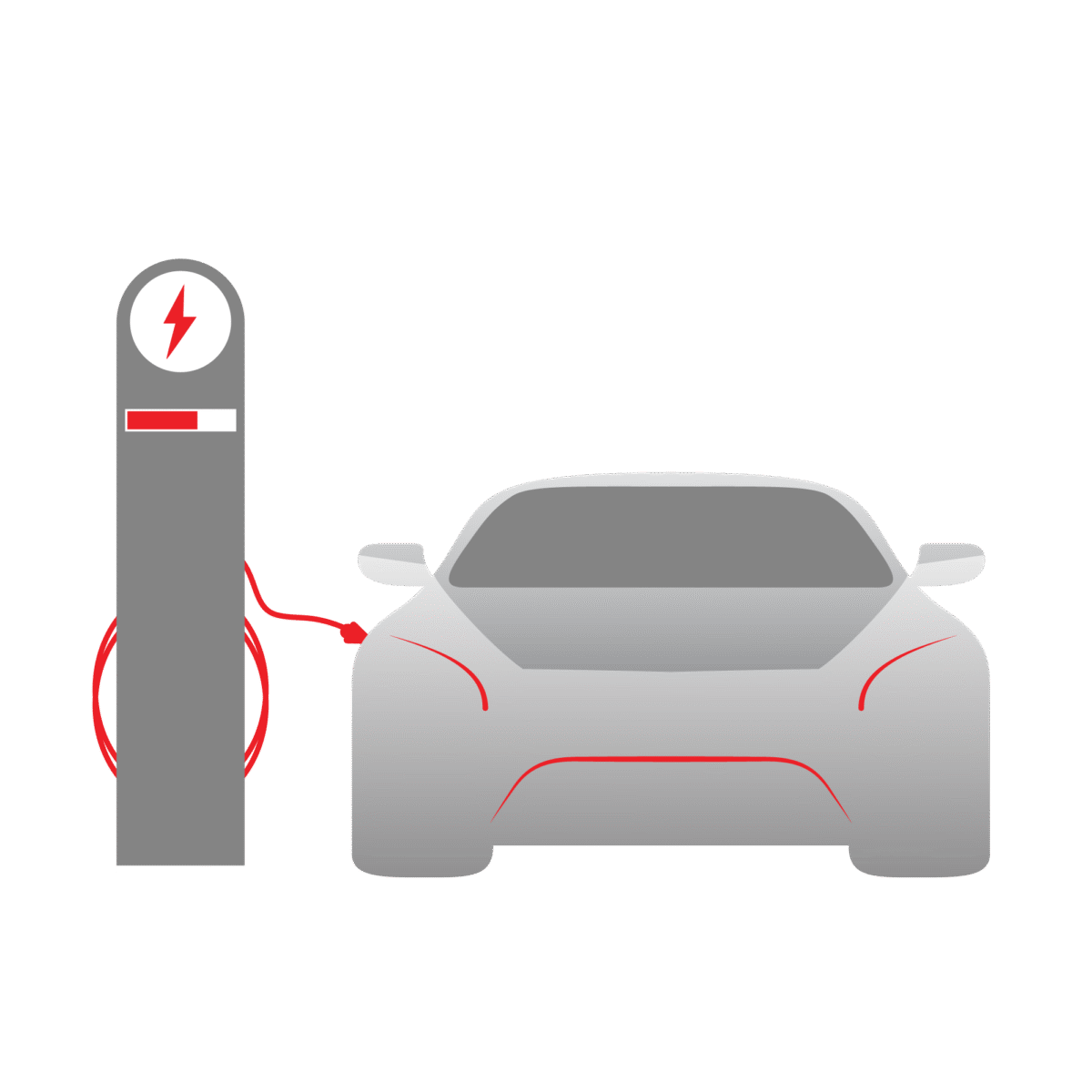
EV CHARGING STATIONS
As the popularity of EVs increase, so does the demand for on-site EV charging stations. This sustainable amenity has become a parking lot fixture for employers.
CREATING CAPITAL THROUGH SUSTAINABILITY, WE OFFER:
PROFESSIONAL GUIDANCE
CUSTOM TAILORED PLANNING
ENGINEERING, PROCUREMENT, CONSTRUCTION & INSTALLATION
CSLB #1106092
Client Testimonial: Kelemen Company
Corporate Business Park in Irvine, CA has created significant electricity cost savings through commercial solar installed across the 5-building business park.
Client Testimonial: Tice Gardner & Fujimoto LLP
See how this CPA firm saved on electricity and gained valuable tax credits through commercial solar that they used to keep cash in the businesses.