
If you run a manufacturing plant or heavy industrial facility in the Grand Canyon State, the trend line on your P&L is impossible to ignore: Arizona rising business electricity costs are becoming a primary threat to operating margins.
For years, Arizona offered a relatively stable energy environment. That era is ending. Both Arizona Public Service (APS) and Tucson Electric Power (TEP) have implemented rate cases that put direct pressure on commercial and industrial (C&I) ratepayers. For most CFOs and facility directors, the standard playbook, LED retrofits and minor efficiency tweaks are no longer enough to offset double-digit percentage increases in demand charges and energy rates.
But higher monthly bills are only half the problem. The bigger issue is the closing window of opportunity to do something about it.
We recently saw a critical deadline pass for businesses in the Salt River Project (SRP) territory. If you are in APS or TEP territory, that missed deadline is a warning shot. Here is the reality of the market and why July is your new critical cutoff.
The Reality Behind Arizona Rising Business Electricity Costs
The narrative from the utilities is often about grid modernization and reliability. For a business owner, the reality is simply higher OpEx.
When we analyze Arizona rising business electricity costs, we see that recent rate cases disproportionately affect high-load operations. Manufacturers running two or three shifts are seeing demand charges spike, meaning you are paying significantly more for the exact same operational output.
The market volatility suggests these costs will not stabilize soon. C&I operators are now looking for certainty. The most effective hedge against rising utility rates is owning your own generation, but the path to interconnection is getting crowded.
The SRP Warning: Don’t Get Stuck in the Queue
In mid-January, a major interconnection window opened for commercial solar projects in the SRP service territory. Businesses that delayed their applications risk missing the cutoff.
The result? Those projects are now facing potential delays of 12 to 24 months. In the heavy construction world, delay is expensive. Equipment prices fluctuate, labor rates rise, and the ROI calculated in Q1 looks very different by Q4.
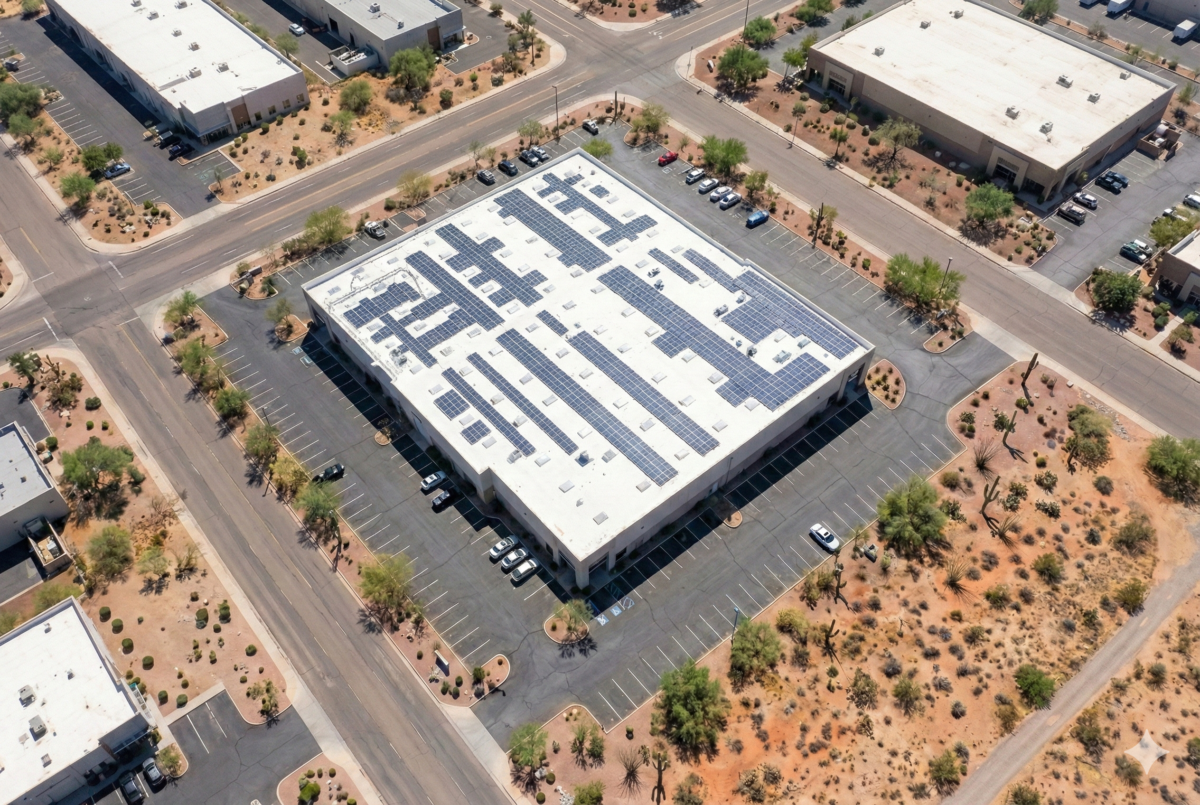
The lesson for APS and TEP customers is clear: As more businesses rush to solve Arizona rising business electricity costs, the grid queues are becoming congested. Utilities are tightening their interconnection rules to manage the influx. The “wait and see” approach is effectively a decision to pay higher rates for longer.
Why July Is the Critical Pivot Point
For manufacturers in APS and TEP territories, this upcoming July represents a hard deadline. While the technical specifics of interconnection queues are complex, the bottom line is that July is currently the functional cutoff to capture the full value of the solar Investment Tax Credit (ITC) under current favorable rules.
If your project is not submitted and accepted into the queue by then, you risk:
- Losing Rate Certainty: Utilities frequently adjust how they credit solar exports. Getting into the queue early locks in your agreement structure.
- Missing Safe Harbor: To maximize the 30% Federal ITC (and potential domestic content adders), you generally need to meet specific “begun construction” or safe harbor deadlines.
- Facing New Compliance Hurdles: Starting in 2026, stricter “Foreign Entity of Concern” (FEOC) rules apply to tax credit eligibility. Projects that drag on too long risk falling into a more complex compliance regime.
The Financial Case: Turning Tax Liabilities into Assets
Why rush? Because right now, the tax code is willing to subsidize your energy infrastructure.
If you are a profitable operation, you likely have a federal tax liability. The Inflation Reduction Act (IRA) allows you to use that liability to fund a solar asset rather than writing a check to the Treasury. Our ITC calculator can show potential credit value.
Why rush? Because right now, the tax code is willing to subsidize your energy infrastructure.
If you are a profitable operation, you likely have a federal tax liability. The Inflation Reduction Act (IRA) allows you to use that liability to fund a solar asset rather than writing a check to the Treasury.
- Base ITC: 30% of the project cost is returned as a dollar-for-dollar tax credit.
- Depreciation: Under the Modified Accelerated Cost Recovery System (MACRS), you can depreciate up to 85% of the system’s value. Eligible businesses can often take significant Bonus Depreciation in Year 1.
The Math in Practice: We frequently see Arizona projects where the combination of the ITC and Year 1 depreciation recovers 50% to 60% of the total project CapEx in the first year.
When you combine that tax recovery with the avoidance of Arizona rising business electricity costs, the payback period compresses significantly. You are trading a variable, rising liability (utility bills) for a fixed, lower asset cost.
- Base ITC: 30% of the project cost is returned as a dollar-for-dollar tax credit.
- Depreciation: Under the Modified Accelerated Cost Recovery System (MACRS), you can depreciate up to 85% of the system’s value. Eligible businesses can often take significant Bonus Depreciation in Year 1.
- The Math in Practice: We frequently see Arizona projects where the combination of the ITC and Year 1 depreciation recovers 50% to 60% of the total project CapEx in the first year.
When you combine that tax recovery with the avoidance of Arizona rising business electricity costs, the payback period compresses significantly. You are trading a variable, rising liability (utility bills) for a fixed, lower asset cost.
What To Do Next
Manufacturing requires predictability. You hedge your raw materials and lock in labor contracts. It is time to treat your energy spend with the same discipline.
The solar window in Arizona is still open, but the SRP delays prove that it doesn’t stay open forever.
Revel Energy provides a complimentary energy and tax analysis for commercial and industrial operators. We will model your 15-minute interval data against the new APS/TEP rate structures and show you exactly what an onsite generation system would look like financially.
Disclaimer: Revel Energy consists of energy professionals, not CPAs. The tax information provided here is for educational purposes. Always confirm eligibility for the ITC, depreciation, and other incentives with your corporate tax advisor.

ROOFTOP SOLAR
Commercial grade rooftop solar is ideal for: manufacturing, warehousing, logistics, industrial, retail, hospitality buildings and more with over 10,000 sq. ft. rooftops.
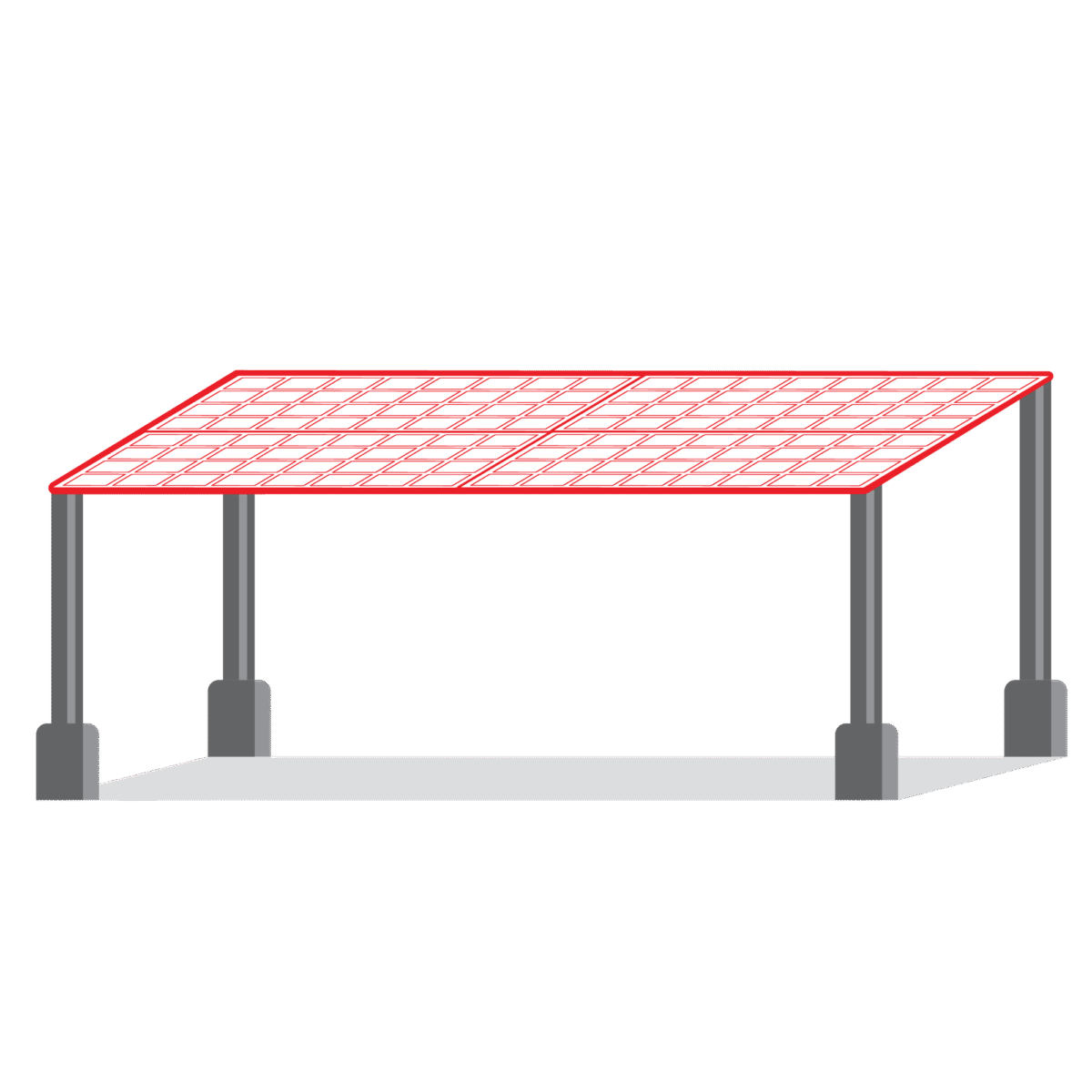
CARPORT SOLAR
Free standing carport solar generates added solar power for properties with limited rooftop space. Added benefits include shading and protection for employees vehicles.
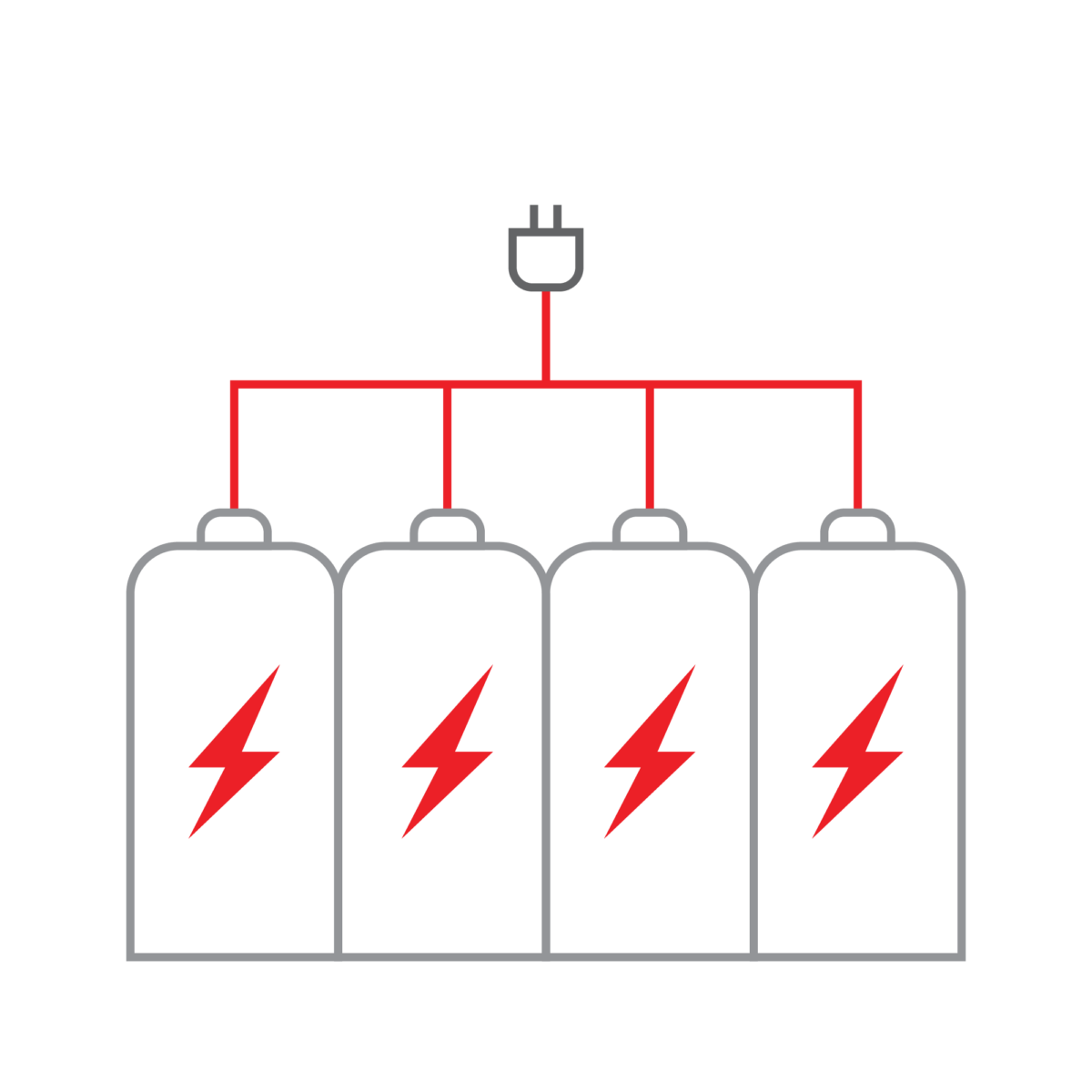
ENERGY STORAGE
Crucial for reducing peak demand charges. Automated to supply electricity when your panels won’t. Energy storage is ideal for businesses that incur significant peak charges.
EV CHARGING STATIONS
As the popularity of EVs increase, so does the demand for on-site EV charging stations. This sustainable amenity has become a parking lot fixture for employers.
CREATING CAPITAL THROUGH SUSTAINABILITY, WE OFFER:
PROFESSIONAL GUIDANCE
CUSTOM TAILORED PLANNING
ENGINEERING, PROCUREMENT, CONSTRUCTION & INSTALLATION
CSLB #1106092
Client Testimonial: Kelemen Company
Corporate Business Park in Irvine, CA has created significant electricity cost savings through commercial solar installed across the 5-building business park.
Client Testimonial: Tice Gardner & Fujimoto LLP
See how this CPA firm saved on electricity and gained valuable tax credits through commercial solar that they used to keep cash in the businesses.