
The 90-Day Countdown: How to Safe Harbor Solar ITC Benefits Before July 4th
The window to lock in the most lucrative commercial solar incentives in U.S. history is rapidly closing – for commercial property owners, facility managers, and developers, the July 4, 2026 federal deadline is the single most important date on the calendar to safe harbor their solar ITC.
We are officially in the 90-day countdown. After this date, securing the maximum Federal Investment Tax Credit (ITC) becomes significantly more complicated, and millions of dollars in potential ROI are at risk of being left on the table.
If you plan to safe harbor solar ITC benefits for your business, the timeline to act is much tighter than you think. Here is exactly what is at stake and how the IRS requires you to structure your project to guarantee it qualifies.
The Financial Stakes: Locking in Up to 50% of Your Investment
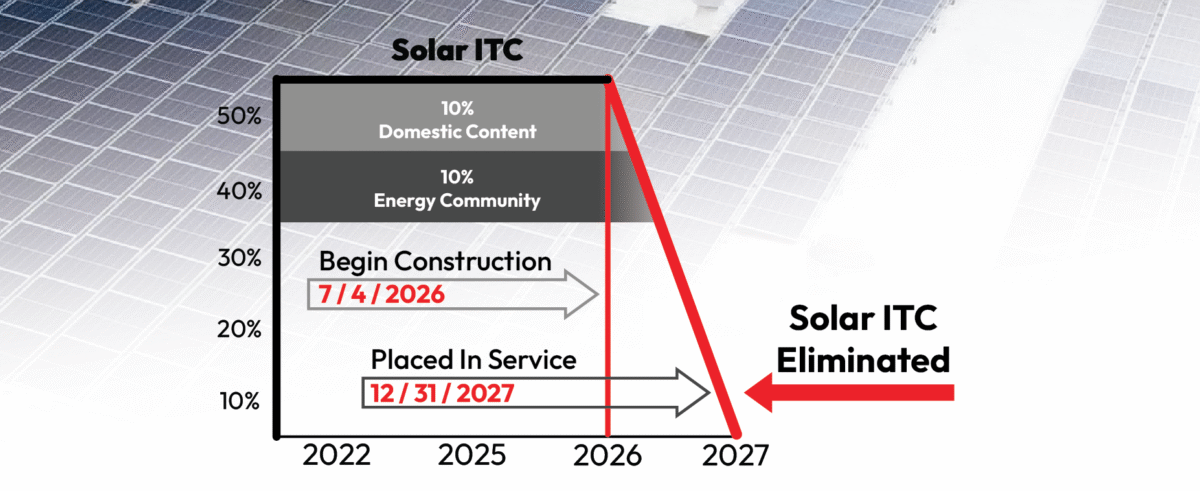
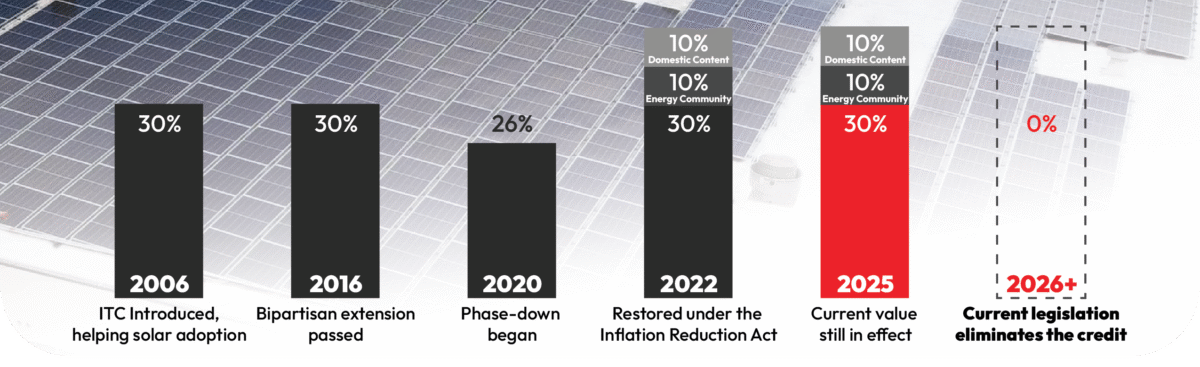
The current federal solar tax incentives are unprecedented, but they are not permanent. If your business acts before the deadline, the financial upside is massive:
- The 30% Base: Under current rules, eligible commercial solar projects receive a baseline tax credit equal to 30% of the total system cost.
- The 40% Energy Community Bonus: Many commercial zones and industrial parks automatically qualify for an additional 10% bonus simply based on their location, bringing the credit to 40%.
- The 50% Domestic Content Kicker: By strategically sourcing U.S.-made steel, iron, and manufactured products, projects can secure another 10% bonus.
In total, businesses have the opportunity to get 50% of their entire solar investment back as a tax credit. But capturing this half-price discount requires navigating strict IRS rules to safe harbor solar ITC values before the July 4th cutoff.
What It Actually Means to Safe Harbor Solar ITC
A common misconception in the commercial solar industry is that signing a contract or submitting a local permit application is enough to lock in these incentives. It is not.
To successfully safe harbor solar ITC benefits under the current favorable rules, your project must prove to the IRS that it has officially “begun construction.” For most of our commercial projects, the smartest and most reliable path to prove this is the 5% Safe Harbor Test.
Under this IRS rule, a project qualifies if you incur at least 5% of the total final project cost – typically by purchasing and taking delivery of major equipment like inverters or panels – before the deadline.
The Revel Energy Strategy: The Safety Buffer While the IRS requires 5%, seasoned developers know that treating 5% as the finish line is incredibly risky. Commercial construction is unpredictable. If unforeseen site conditions or necessary electrical upgrades cause your total project cost to increase later in the year, that initial 5% investment might suddenly drop to 4.8% of the new, higher total denominator. If that happens, you lose your safe harbor status entirely.
To protect our clients’ ITC eligibility, our main method is to push that procurement percentage higher. By acquiring and delivering a larger portion of your equipment upfront, we create a financial buffer that ensures cost overruns won’t jeopardize your tax credit.
The Hidden Trap: Why 90 Days is Barely Enough Time
While three months might sound like plenty of time to purchase equipment, the reality of commercial solar procurement tells a different story.
To confidently pass the 5% test with a safety buffer, your project must first clear several major operational hurdles:
- Extensive Engineering & Design: You cannot buy the right equipment without rigorous, site-specific engineering to dictate exactly what your system needs.
- Equipment Procurement Lead Times: Sourcing the correct components – especially the specific domestic materials required to hit that 50% tax credit tier – requires navigating a tightening supply chain. Equipment must be ordered, paid for, and delivered.
- Financial Structuring: Capital must be freed up and deployed rapidly to cover these significant upfront equipment costs.
If you wait until May or June to start this process, supply chain lead times and engineering bottlenecks will almost certainly push your equipment delivery past the July deadline, disqualifying you from the current incentive structure.
The Time to Act is Right Now
At Revel Energy, our engineering and procurement teams are prioritizing businesses that are ready to move immediately. We are racing to help our commercial clients clear the necessary hurdles to safe harbor solar ITC milestones before the window slams shut.
Whether you are a warehouse operator looking to offset rising utility and compliance costs or a manufacturer trying to stabilize skyrocketing OpEx, this is your final warning to secure up to 50% of your capital investment.
Don’t let supply chain delays cost you your tax credit. Contact Revel Energy today for a free, comprehensive energy analysis and let’s map out your equipment procurement path to Safe Harbor before the July 4th deadline.
ROOFTOP SOLAR
Commercial grade rooftop solar is ideal for: manufacturing, warehousing, logistics, industrial, retail, hospitality buildings and more with over 10,000 sq. ft. rooftops.
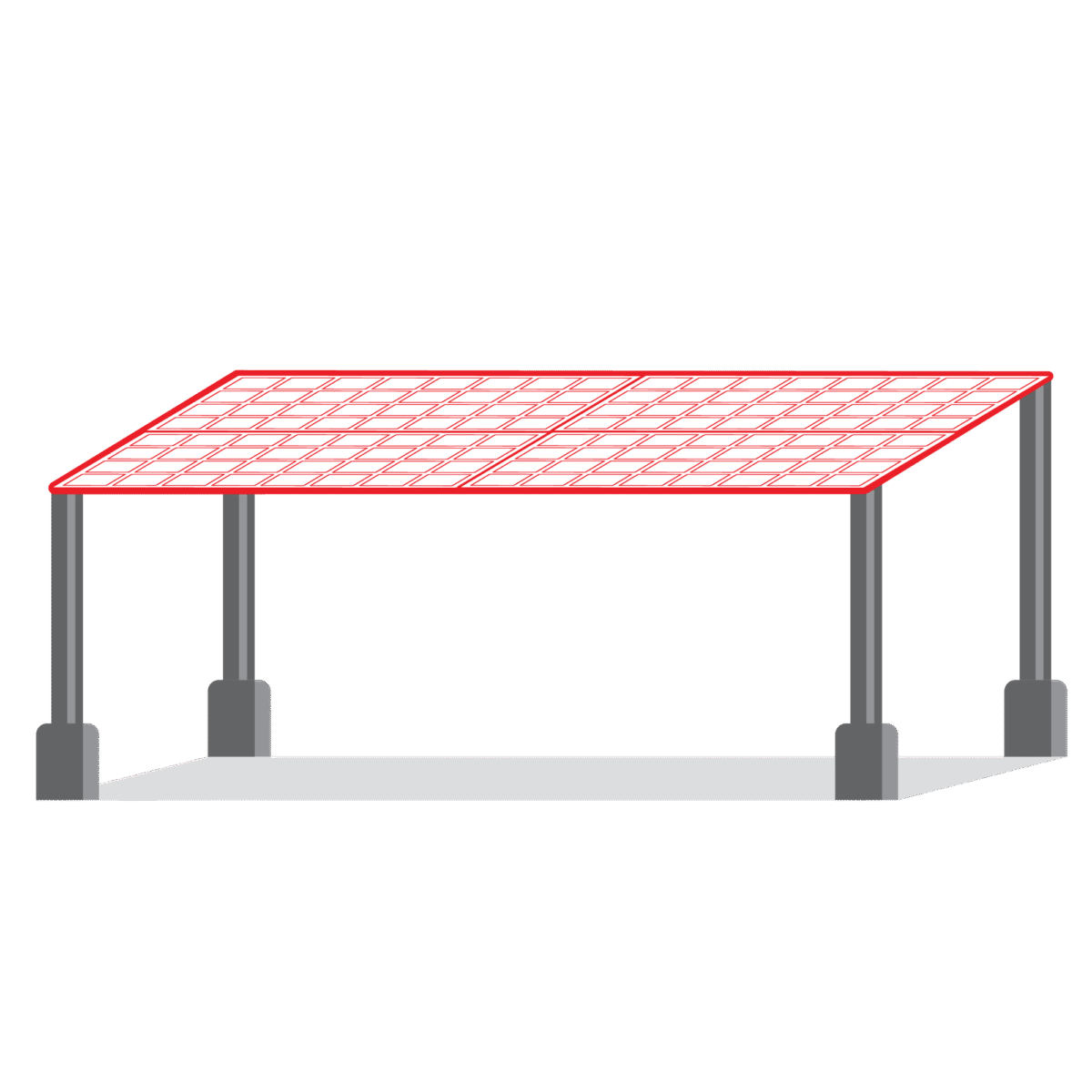
CARPORT SOLAR
Free standing carport solar generates added solar power for properties with limited rooftop space. Added benefits include shading and protection for employees vehicles.
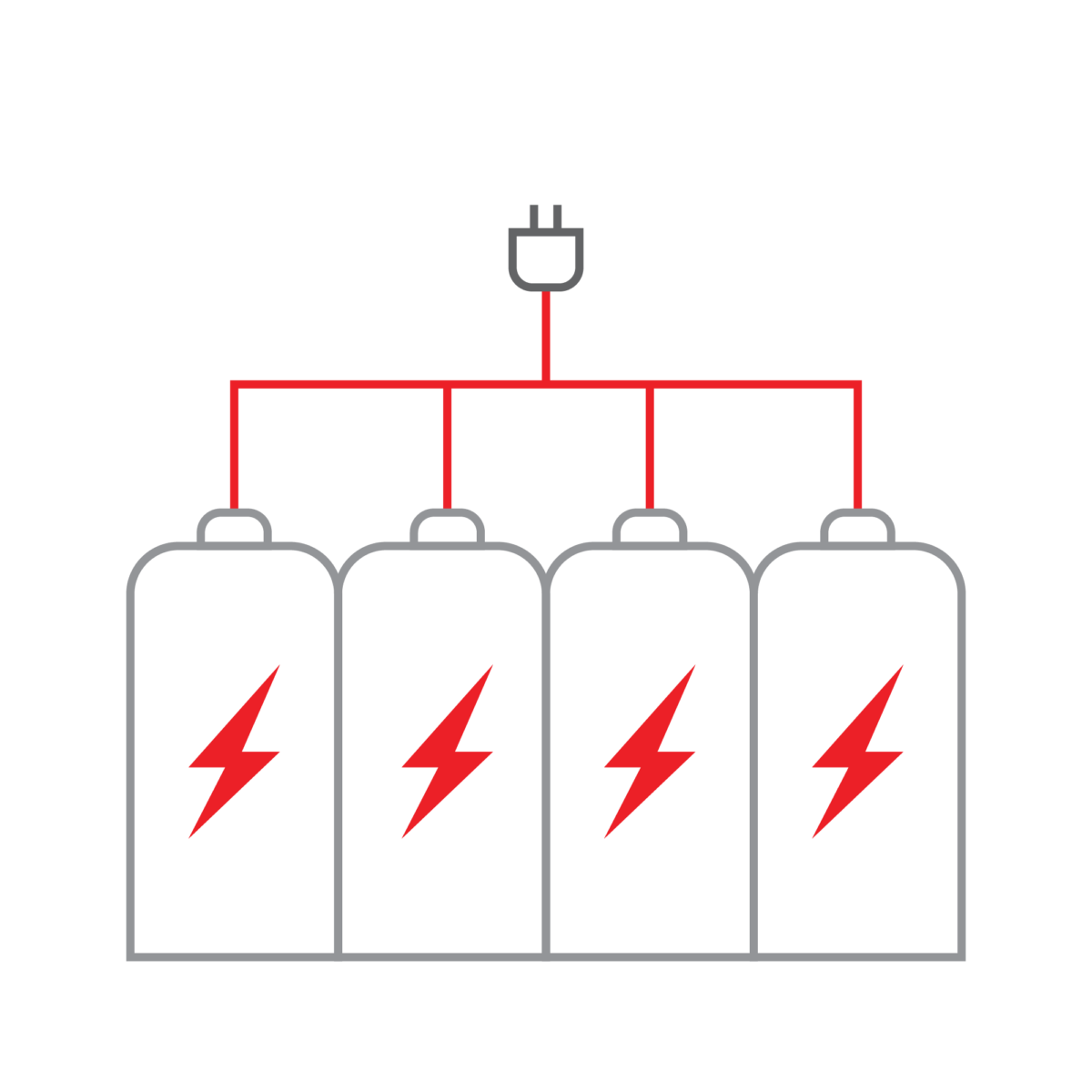
ENERGY STORAGE
Crucial for reducing peak demand charges. Automated to supply electricity when your panels won’t. Energy storage is ideal for businesses that incur significant peak charges.
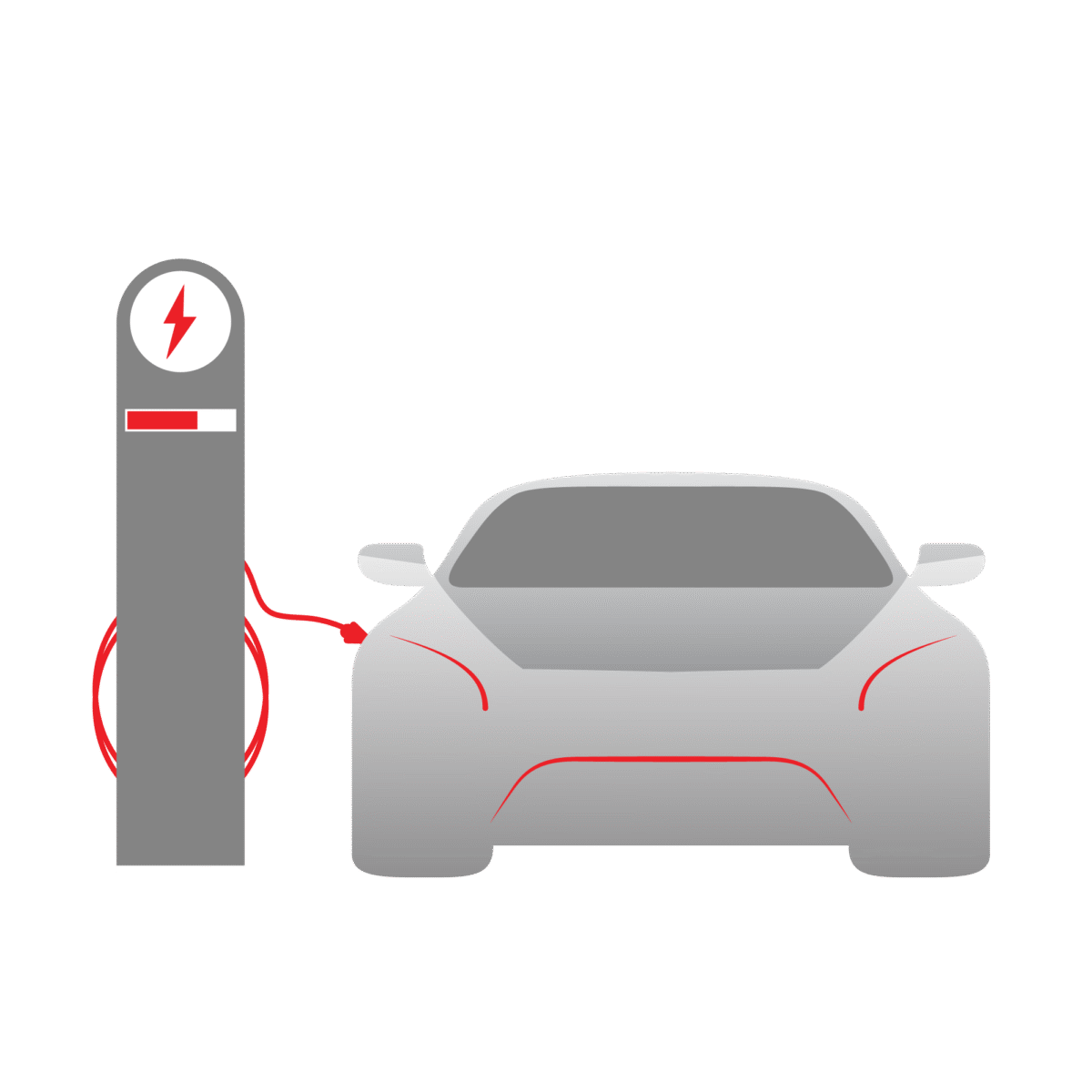
EV CHARGING STATIONS
As the popularity of EVs increase, so does the demand for on-site EV charging stations. This sustainable amenity has become a parking lot fixture for employers.
CREATING CAPITAL THROUGH SUSTAINABILITY, WE OFFER:
PROFESSIONAL GUIDANCE
CUSTOM TAILORED PLANNING
ENGINEERING, PROCUREMENT, CONSTRUCTION & INSTALLATION
CSLB #1106092
Client Testimonial: Kelemen Company
Corporate Business Park in Irvine, CA has created significant electricity cost savings through commercial solar installed across the 5-building business park.
Client Testimonial: Tice Gardner & Fujimoto LLP
See how this CPA firm saved on electricity and gained valuable tax credits through commercial solar that they used to keep cash in the businesses.