If you are a CFO or facility owner in California, 2025 might have felt like a temporary plateau in energy volatility – but heading into 2026, the data suggests the “quiet period” is over for business electricity costs.
Two massive timelines are colliding next year: a new wave of utility rate hikes driven by infrastructure spending, and the final sunset of the current federal solar incentive structure.
For businesses looking to control OpEx and reduce tax liability, 2026 is the pivotal year. Here is the plain English breakdown of what is happening to your electricity costs and why the most critical deadline on your calendar is effectively mid-summer.
The 2026 Forecast: Why Your Rate is Climbing
While some political messaging suggests rates are stabilizing, the underlying costs of the grid are rising faster than ever. Utilities are pouring billions into “hardening” the grid – and those costs are being socialized across all commercial ratepayers.
- Proposed Double-Digit Hikes: Southern California Edison (SCE), for example, has proposed revenue requirement increases that could result in a roughly 12.9% rate hike for 2026.
- The “Wildfire Surcharge”: Utilities have been authorized to collect over $27 billion in wildfire prevention costs since 2019. These are fixed infrastructure costs (like undergrounding lines) that will appear on your bill regardless of wholesale energy prices.
- Grid Demand: As data centers and electrification push grid demand to record highs, the transmission upgrades needed to support them will largely be funded by ratepayers.
The takeaway: Even if your business uses the same amount of electricity in 2026, your “delivery” charges, the costs to ship that power to your facility – are projected to rise. The only way to opt out of those rising delivery fees is to generate your own power behind the meter.
The “July Cliff”: A Hard Deadline for Federal Incentives
For the last few years, the solar investment conversation has been about the 30% Federal Investment Tax Credit (ITC). Under the current legislative landscape, those rules change drastically in mid-2026.
To qualify for the current high-value incentives, including the 30% base credit and favorable depreciation rule, projects generally must begin construction by July 4, 2026.
If you miss this window:
- You risk losing eligibility for the current ITC structure.
- You may face a harder deadline to be “placed in service” by the end of 2027 to receive any credit at all.
- You expose your project to stricter domestic content and supply chain rules that could disqualify many standard components.
What “Start of Construction” Actually Means
You might read “July 2026” and think you have six months to make a decision. In commercial solar, you do not.
To officially “begin construction” in the eyes of the IRS, you typically need to trigger a Safe Harbor provision. This generally means verifying you have started significant physical work on the project or incurred at least 5% of the total project cost before the deadline.
Reaching that point requires months of preliminary work: engineering, interconnection applications with the utility, and permitting.
The Queue Is Already Forming Interconnection queues in California are congested. If you wait until May to sign a contract, it is physically unlikely we can get your project permitted and “started” before the July 4 cutoff. The smartest move is to act sooner rather than later to build in a buffer for utility delays.
Stacking Your Savings: The ITC Bonus Adders
While the 30% base Investment Tax Credit (ITC) is a massive incentive on its own, the Inflation Reduction Act introduced highly lucrative “bonus adders” that allow businesses to stack their tax credits.
Depending on your project’s location and the materials used, you can add multiple 10% bonuses on top of your 30% base, potentially offsetting 40% to 50% of your total solar project costs.
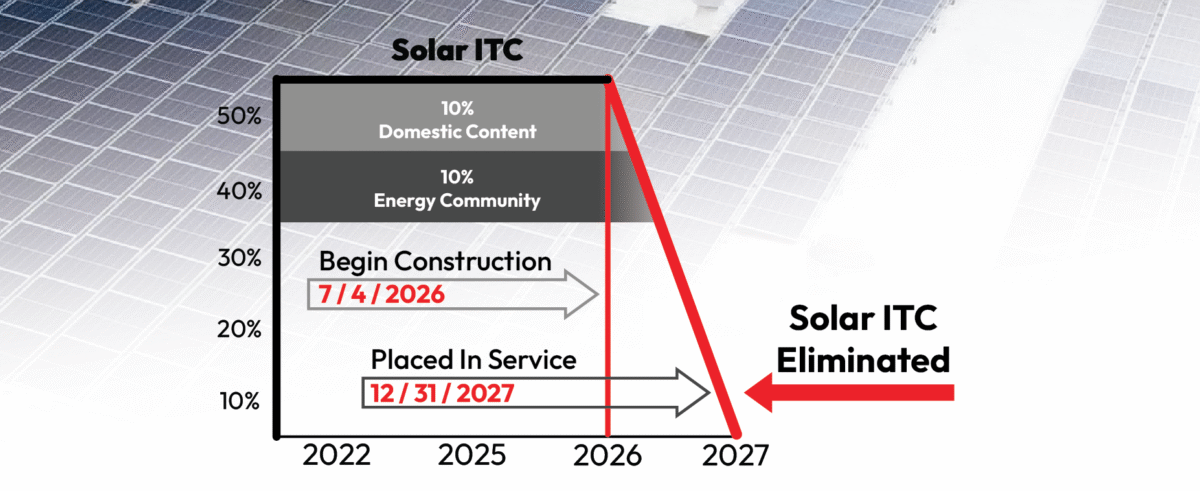
Here are the current 10% bonus credits available to commercial projects:
-
The Energy / Low-Income Community Bonus (10%): Your business can qualify for an additional 10% tax credit if your commercial facility is located in a designated “Energy Community” (areas historically reliant on fossil fuel industries or brownfield sites) OR a designated low-income census tract. Because these maps cover surprisingly large portions of California and Arizona, many industrial parks and commercial facilities automatically qualify for this extra 10% simply based on their zip code.
-
The Domestic Content Bonus (10%): If your solar project utilizes a specific percentage of U.S.-manufactured components—such as domestically produced steel, iron, and solar modules—your project can earn another 10% bonus credit.
Why the 2026 Deadline Matters Here: Stacking these 10% bonuses can transform the financial return of a commercial solar project, but they are built on top of the base ITC. Missing the July 2026 Safe Harbor deadline risks losing the favorable 30% base credit structure, which drastically reduces the overall financial power of these bonus adders.
Solar as a Financial Tool, Not Just a Green One
When you view solar through this lens, it’s not an environmental purchase – it’s a tax strategy not just a way to reduce business electricity costs in 2026. By acting in early 2026, a business can:
- Lock in the ITC: Secure the 30% (or up to 50%) federal credit for the 2026 tax year.
- Leverage Depreciation: Use accelerated depreciation to offset 2026 taxable income, often covering 50-60% of the project cost in year one.
- Fix Your Rate: Swap a variable, rising utility bill for a fixed asset that typically pays for itself in under 4 years.
What to do next
We are advising all clients to start their feasibility studies now to avoid the Q2 rush.
Do not guess at the numbers. We can generate a site-specific model that shows your projected system size, total tax benefit, and OpEx reduction in roughly 48 hours.
- See the potential: Get a preliminary estimate of your tax benefit with our Solar ITC Calculator.
- Get the hard numbers: Request a Free Energy & Tax Analysis. We’ll review your interval data and show you exactly what it takes to hit the July 2026 Safe Harbor deadline.
ROOFTOP SOLAR
Commercial grade rooftop solar is ideal for: manufacturing, warehousing, logistics, industrial, retail, hospitality buildings and more with over 10,000 sq. ft. rooftops.
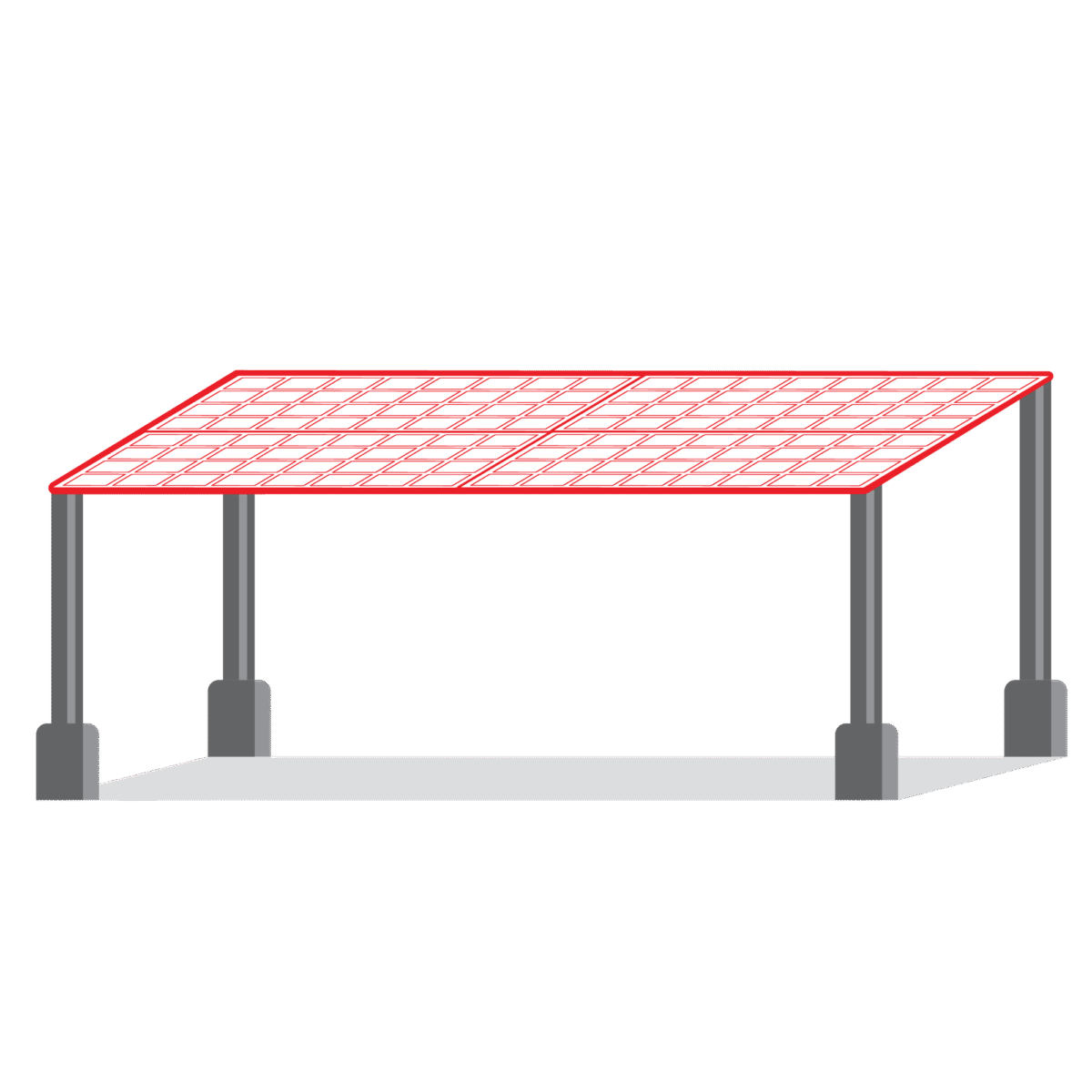
CARPORT SOLAR
Free standing carport solar generates added solar power for properties with limited rooftop space. Added benefits include shading and protection for employees vehicles.
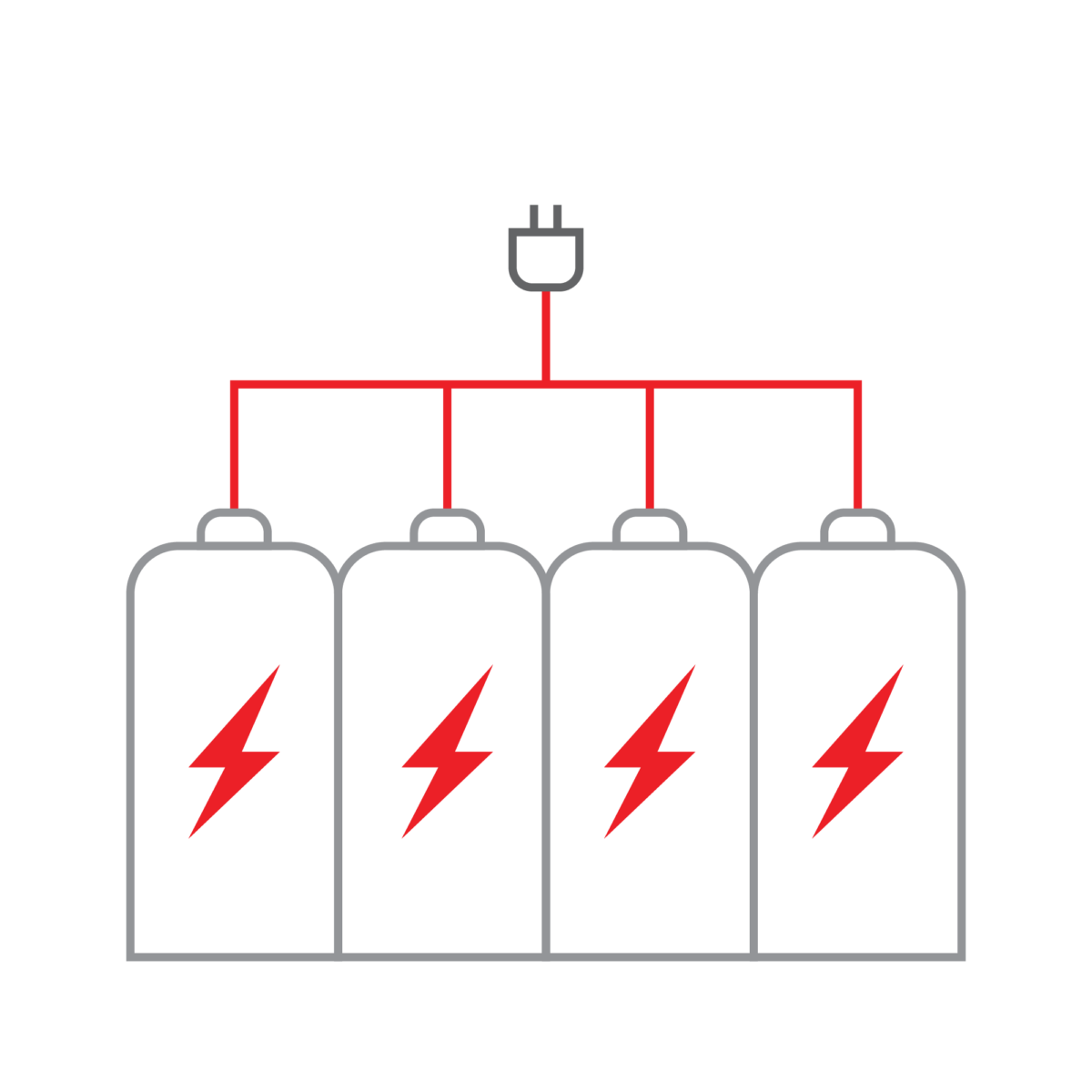
ENERGY STORAGE
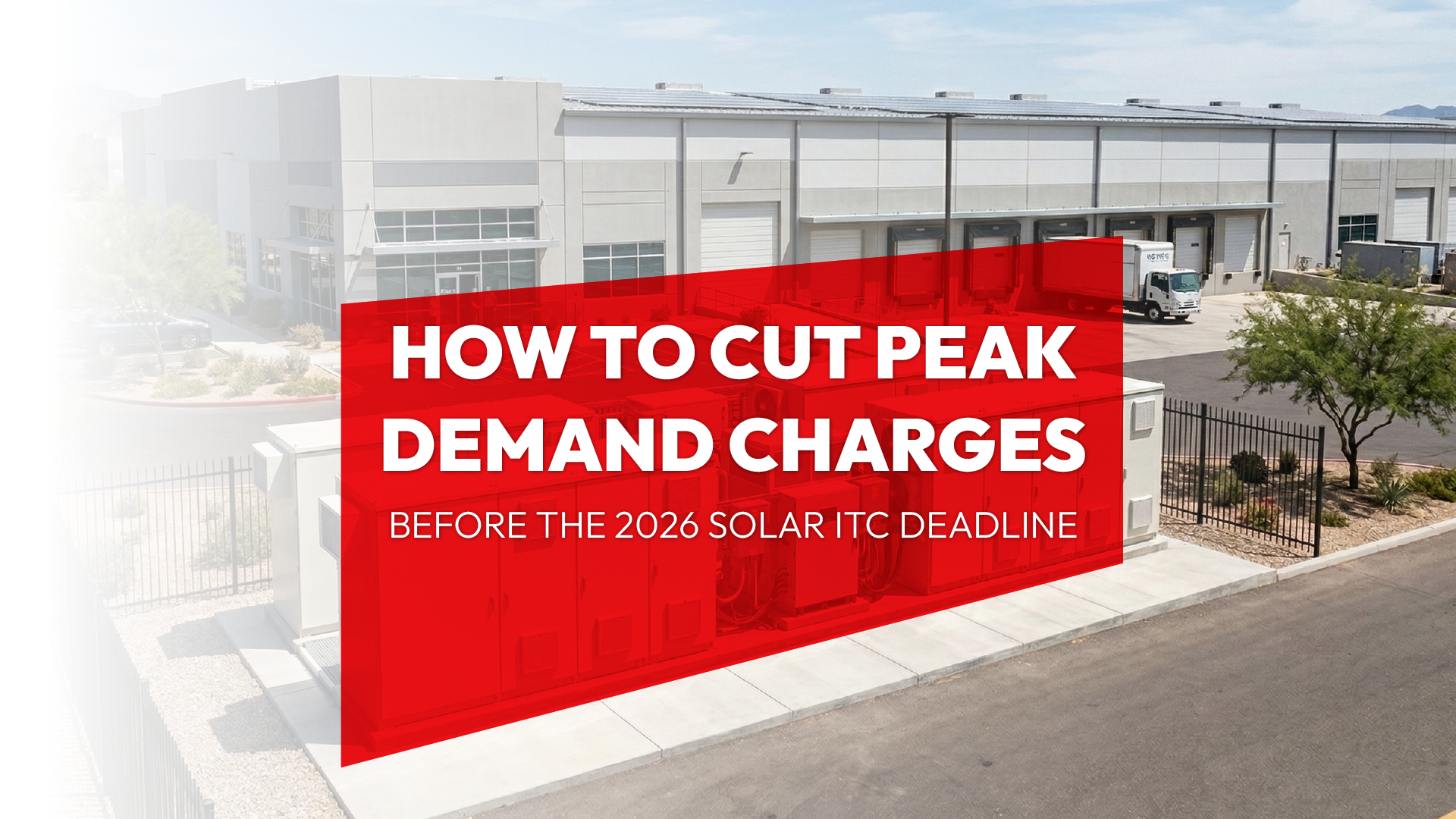
Crucial for reducing peak demand charges. Automated to supply electricity when your panels won’t. Energy storage is ideal for businesses that incur significant peak charges.
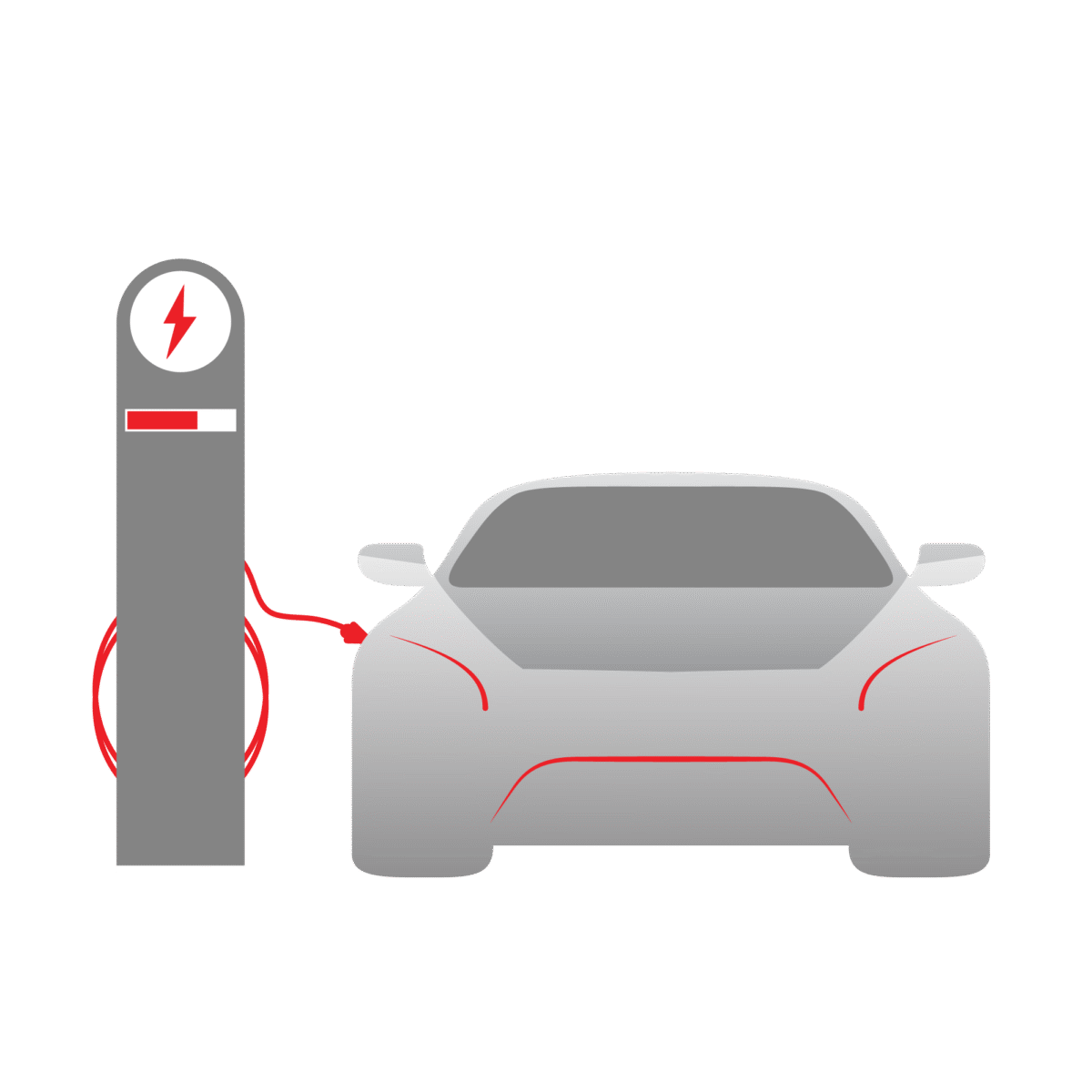
EV CHARGING STATIONS
As the popularity of EVs increase, so does the demand for on-site EV charging stations. This sustainable amenity has become a parking lot fixture for employers.
CREATING CAPITAL THROUGH SUSTAINABILITY, WE OFFER:
PROFESSIONAL GUIDANCE
CUSTOM TAILORED PLANNING
ENGINEERING, PROCUREMENT, CONSTRUCTION & INSTALLATION
CSLB #1106092
Client Testimonial: Kelemen Company
Corporate Business Park in Irvine, CA has created significant electricity cost savings through commercial solar installed across the 5-building business park.
Client Testimonial: Tice Gardner & Fujimoto LLP
See how this CPA firm saved on electricity and gained valuable tax credits through commercial solar that they used to keep cash in the businesses.